Guinea and Brazil share more than an ocean they share a geology. Both countries hold some of the richest iron ore deposits on the planet, and as Guinea’s Simandou project moves from construction into full production, a new window is opening for Brazilian companies, engineers, and investors to bring their decades of iron ore expertise back into the country. If you are a Brazilian investor evaluating where the next great iron ore opportunity lies, Guinea’s Simandou region is impossible to ignore.
Guinea and Brazil: A Shared Iron Ore Legacy
Long before Simandou became a household name in global mining circles, Brazil’s biggest mining company had already placed a bet on it.
The Vale-BSGR Chapter
In 2010, Brazilian mining giant Vale entered a joint venture with BSG Resources, acquiring a 51% stake in the Simandou North asset for roughly $2.5 billion, with $500 million paid immediately. Vale, the world’s biggest iron ore producer, described BSG’s Guinean holdings as one of the world’s best undeveloped sources of high-grade iron ore, and planned to ship ore out through a port in Liberia while jointly rehabilitating over 400 miles of the Trans-Guinea railway.
The venture ultimately did not survive corruption allegations and a change in Guinea’s mining code, and Vale exited its position by 2016. Yet the episode proved something important: Brazilian mining expertise was, from the very beginning, seen as a natural fit for developing Guinea’s iron ore wealth. That history matters today, because the operational and technical playbook Vale built in Brazil’s Carajás complex remains directly relevant to what Simandou now requires.
Geological Parallels: Simandou and Carajás
The comparison between Simandou and Brazil isn’t just historical — it’s geological. Simandou is a particularly high-grade deposit, with grades averaging around 65.8% iron content and low impurities, and the orebody shares characteristics with the banded iron formations found in Brazil’s mineral-rich Carajás province. This similarity means that engineering methods, processing techniques, and logistics models refined in Brazil over the last 40 years can be transferred to Guinea with relatively little adaptation a significant advantage for Brazilian firms considering entry.
Why Guinea’s Iron Ore Boom Matters for Brazilian Investors
Simandou’s Multi-Billion Dollar Infrastructure Push
Simandou has evolved into one of the largest mining and infrastructure developments ever built in Africa. The integrated mine, rail, and port system is valued at roughly $20–23 billion, reflecting the scale required to transport iron ore across Guinea’s mountainous interior to the Atlantic coast. Iron ore production officially began at the project in November 2025, with authorities hoping the mine will propel Guinea into the ranks of the world’s largest iron ore exporters.
This scale of build-out mines, a new railway exceeding 600 km, and deep-water port facilities generates enormous secondary demand for specialized contractors, equipment suppliers, and technical consultants, many of which Brazil’s mining sector is uniquely positioned to supply.
Growing Global Demand for High-Grade Ore
Simandou’s fines material is expected to shift the global seaborne iron ore trade into a notable surplus starting in 2026, with Guinea’s exports forecast to grow at a compound annual rate of nearly 37% between 2026 and 2030. As steelmakers worldwide push toward lower-carbon production, demand for high-grade, low-impurity ore the exact profile Simandou and Carajás both offer is set to rise. Analysts note that Simandou could rebalance a market historically shaped by Australia and Brazil, effectively adding a third major supply axis to the global iron ore trade. For Brazilian producers and investors, this is less a competitive threat than a chance to diversify exposure across two complementary high-grade sources.
Investment Opportunities for Brazilian Companies and Capital
Mining Services and Equipment Supply
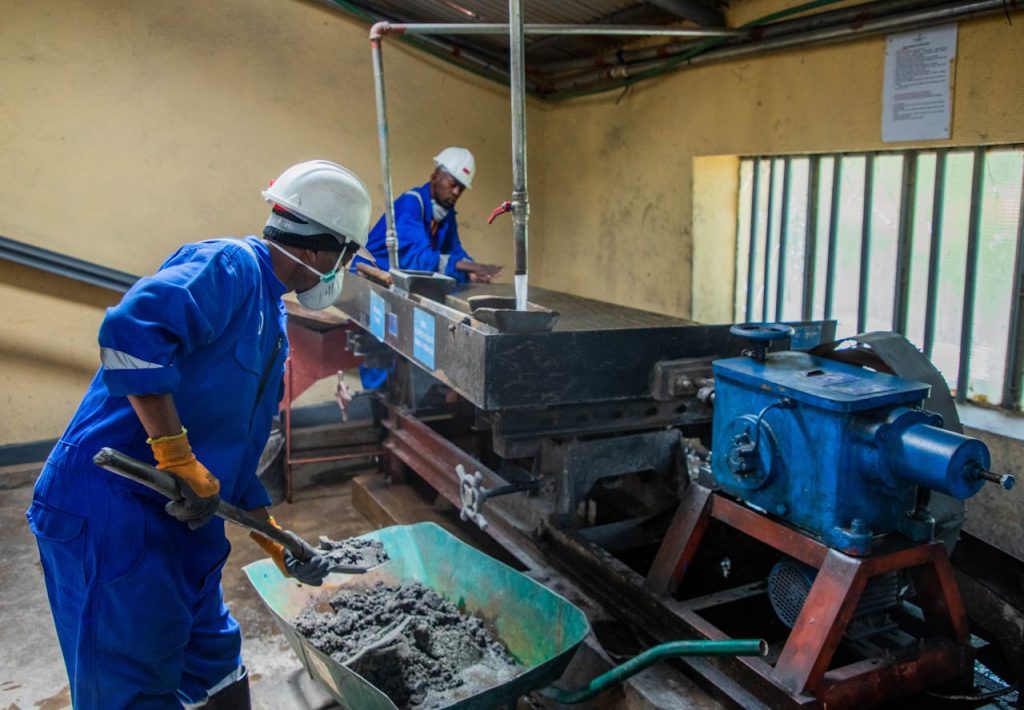
Guinea’s iron ore sector still relies heavily on imported heavy machinery, processing equipment, and specialized maintenance services. Brazilian firms with decades of experience serving Carajás and other Vale-operated sites are well placed to supply crushing and screening equipment, haul trucks, conveyor systems, and technical maintenance contracts to Simandou’s operators and their sub-contractors.
Rail and Port Logistics Expertise
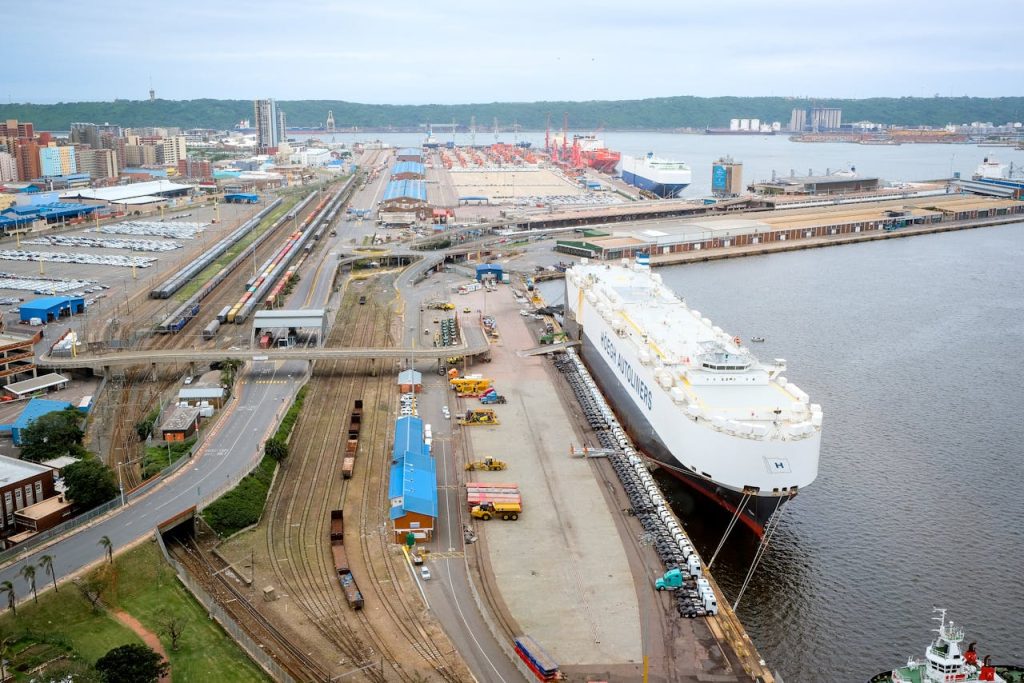
More than 600 kilometres of new multi-use rail, together with port facilities, are being co-developed to allow the export of up to 120 million tonnes per year of mined iron ore from the Simandou concessions. Brazil’s own experience building and operating some of the world’s longest ore railways gives its logistics and engineering firms a credible edge in bidding for rail maintenance, rolling stock supply, and port-handling service contracts tied to this infrastructure.
Joint Ventures and Technical Partnerships
Beyond direct equipment and service contracts, there is room for joint ventures between Brazilian mining technology firms and the operators currently active in Simandou, including Rio Tinto’s Simfer joint venture and the Winning Consortium Simandou. Partnerships focused on ore-processing efficiency, environmental management, or workforce training could allow Brazilian expertise to enter the market without requiring the capital intensity of a direct mine stake a lesson learned from the earlier Vale-BSGR experience.
Risks and Considerations for Investors
Guinea’s mining sector has matured considerably since the Vale-BSGR dispute, but investors should still approach the market with careful due diligence. Regulatory frameworks, land rights, and contract enforcement can differ significantly from Brazil, and large infrastructure projects of this scale inevitably involve multiple stakeholders government agencies, international mining consortiums, and local communities whose interests must be carefully balanced. Engaging experienced local legal and investment advisors, and where possible aligning with reputable development partners such as the African Development Bank or the World Bank Group, can meaningfully reduce entry risk.
How to Get Started
Brazilian companies and investors exploring Guinea’s iron ore sector should begin by identifying a specific niche where their existing expertise translates directly equipment supply, rail logistics, processing technology, or environmental services rather than attempting to compete for equity stakes in the mines themselves. Local partnership is essential: understanding Guinea’s regulatory environment, government relationships, and existing consortium structures can dramatically shorten the path from interest to contract.
Frequently Asked Questions
- Has Brazil invested in Guinea’s iron ore sector before? Yes. Brazilian mining giant Vale acquired a 51% stake in the Simandou North asset in 2010 through a joint venture with BSG Resources, though the deal later collapsed amid corruption allegations and regulatory changes.
- Why is Simandou compared to Brazil’s Carajás region? Both deposits share similar banded iron formation geology and produce high-grade ore with low impurities, meaning mining and processing techniques developed in Brazil are highly transferable to Guinea.
- What investment opportunities exist for Brazilian companies today? Opportunities include equipment and machinery supply, rail and port logistics services, technical consulting, and joint ventures with operators already active on the Simandou concessions.
- Is Simandou iron ore production already operational? Yes, production officially began in November 2025, with Guinea’s exports expected to grow rapidly over the following years as infrastructure ramps up.
- What are the main risks for Brazilian investors entering Guinea’s mining sector? Regulatory differences, evolving contract enforcement, and the need to coordinate with multiple large stakeholders are the primary risks, all of which can be managed through strong local due diligence and advisory partnerships.
Ready to Explore Iron Ore Investment Opportunities in Guinea?
Guinea’s iron ore sector is entering a new production era, and Brazilian expertise has a clear role to play in shaping what comes next. Contact Yes! Invest Guinea today to connect with our local investment specialists, explore vetted opportunities tied to the Simandou project, and get a clear roadmap for bringing your mining experience into one of Africa’s most significant resource developments.