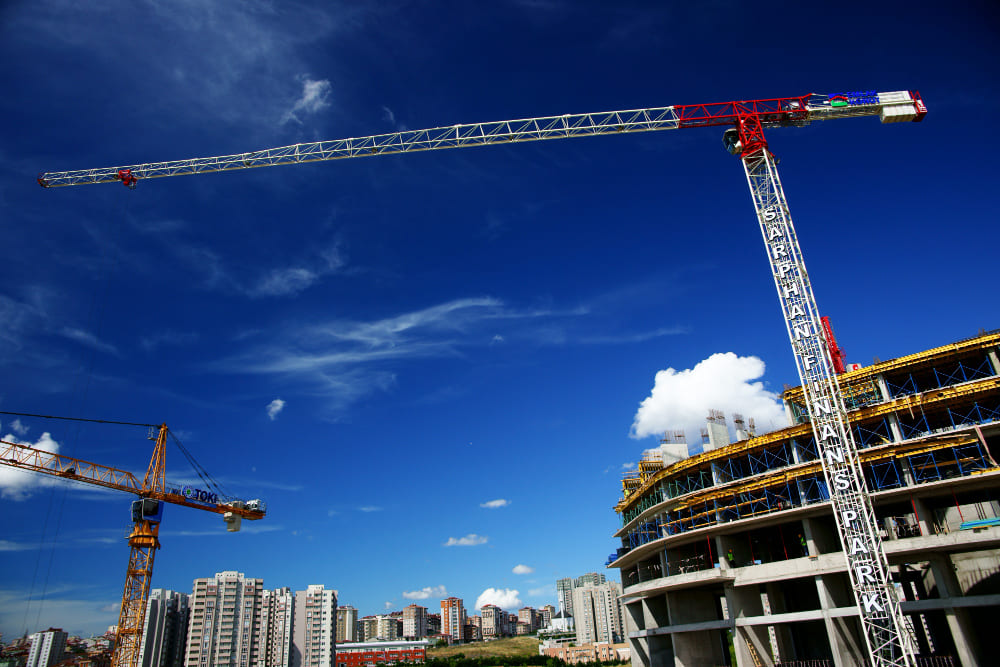
Guinea’s cities are growing faster than their infrastructure can keep up — and that gap is where investment opportunity lives. Conakry, the capital and commercial heart of the country, is a city of more than two million people with a real estate market still defined by informal construction, a severe housing deficit, and supply-demand dynamics that strongly favor investors willing to enter early. Pair that with an accelerating national infrastructure spend, active government satellite city programs, and a construction sector expanding at 8 to 10% annually, and the case for urban development investment in Guinea becomes difficult to ignore.
In this guide, Yes! Invest Guinea breaks down the key drivers of Guinea’s urban development landscape, where the most compelling investment opportunities sit, and the practical realities investors need to understand before entering the market.
The Urban Growth Engine Behind Guinea’s Development Opportunity
Guinea is urbanizing at a pace that is outrunning its formal housing and infrastructure systems. Conakry’s population has grown dramatically over the past two decades, driven by rural-to-urban migration and economic concentration in the capital and according to the World Bank’s Guinea Urban Sector Review, the city’s largely organic growth has resulted in poor housing conditions, a lack of access to public services, and apparent scarcity of available land for productive activities.
That structural gap between demand and formal supply is not a reason to stay away it is the defining characteristic of markets where early investors generate outsized returns. Conakry is exhibiting the early signals of a real estate value chain beginning to formalize: local developers with track records, banks extending loan tenors for housing purchases, and a government actively promoting public-private partnerships in housing and infrastructure.
What Is Driving Housing Demand
Three forces are combining to sustain housing demand in Guinea’s urban centers well beyond what current supply can meet:
Mining sector expansion is the most direct driver. The Simandou iron ore project, now in active production, and the continued growth of bauxite operations in Boké are generating sustained demand for housing, commercial spaces, and premium residential accommodation for mining executives, international engineers, and diplomatic corps. Premium villas in Conakry targeting this segment typically achieve rental yields of 8 to 10% annually when well-located and properly managed, according to investment research from Builds and Buys.
Diaspora investment is another structural demand source. Guineans abroad represent a meaningful base of motivated buyers and renters seeking housing in their home city, and the formalization of mortgage finance including a 2025 partnership between developer B2D Immobilier Guinée and Ecobank Guinée to expand access to home ownership through favorable financing conditions is beginning to bring this demand into the formal property market.
Urbanization and population growth continue to add household formation pressure regardless of the economic cycle, sustaining rental demand in mid-income residential markets even when premium demand softens.
Key Urban Development Opportunities in Guinea
Residential Real Estate: Satellite Cities and Affordable Housing
Guinea’s government has identified a severe housing deficit as a national priority. In response, it has launched initiatives to develop satellite cities planned residential clusters designed to absorb urban population growth while reducing pressure on Conakry’s congested core and is actively promoting public-private partnerships in affordable housing development.
According to analysis from Avacasa’s Conakry property guide, Conakry presents a compelling investment case in 2026 specifically because of its significant supply-demand imbalance across residential, commercial, and hospitality sectors. The city is undergoing rapid urbanization and infrastructure development conditions historically associated with strong property value appreciation in comparable frontier markets.
Private developers are already responding. Kakandé Immo, a subsidiary of the Guicopres construction group, has been developing modern residential schemes in Conakry for more than 15 years, illustrating the gradual formalization of a market that remains underpenetrated relative to comparable West African capitals like Dakar or Abidjan.
Commercial Real Estate and Mixed-Use Development
Conakry’s commercial property market is at an early stage of institutionalization, with demand being driven primarily by mining company offices, international NGO headquarters, financial institutions, and hospitality operators serving the growing business travel market. The combination of limited quality commercial stock and rising occupier demand creates favorable conditions for investors willing to develop or acquire well-located commercial buildings in Kaloum and adjacent districts.
Mixed-use development combining retail, commercial, and residential components in a single project is increasingly relevant in Conakry, where proximity to services and amenities commands meaningful rental premiums over comparably sized purely residential schemes.
Industrial and Logistics Real Estate in Secondary Cities
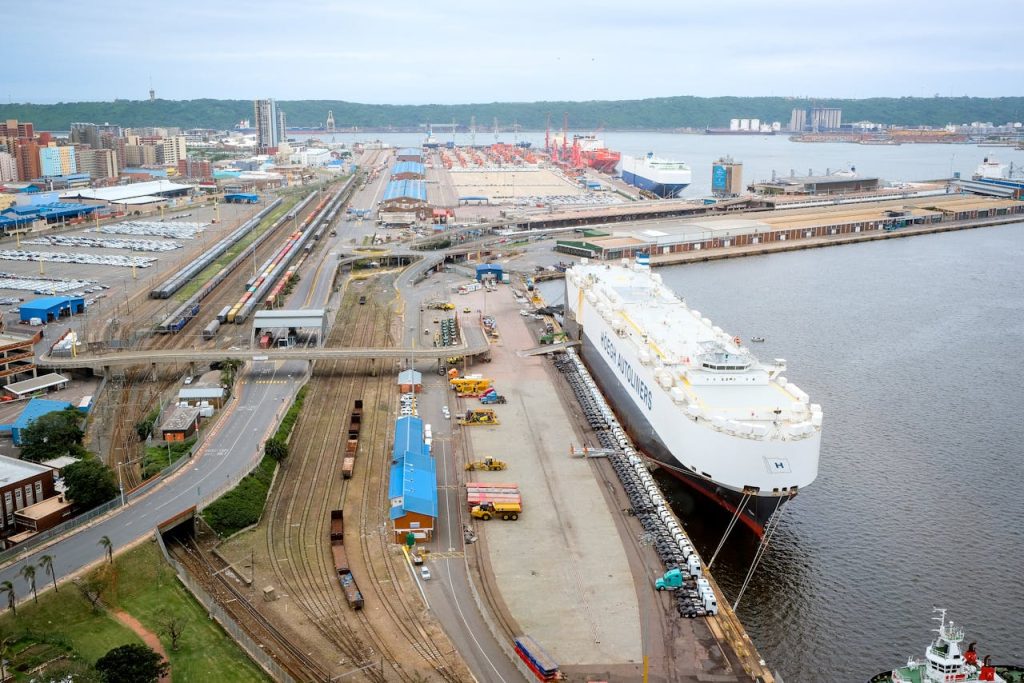
Guinea’s urban development opportunity is not limited to Conakry. The Boké and Kamsar region the heart of Guinea’s bauxite export economy is generating sustained demand for worker housing, logistics warehousing, and industrial real estate as mining operations continue to expand. The Simandou rail corridor, now fully operational, is likewise activating development demand in secondary urban centers along its 600-kilometer length, including towns and settlements that were previously too isolated to support formal real estate development.
Infrastructure-Anchored Urban Connectivity
Conakry’s urban development is being directly supported by public infrastructure investment. The Enco5 overpass, a $20.7 million project, is specifically addressing traffic congestion in one of the capital’s most commercially significant corridors a direct intervention that unlocks new development corridors and supports property value appreciation in adjacent neighborhoods, according to Avacasa’s investment research. Road rehabilitation, port expansion, and electricity grid improvements backed by international partners are similarly reshaping where urban development is viable and where it is not.
Investment Protections for Urban Development and Real Estate Investors
Guinea permits foreign ownership of property under long-term lease structures. Tax incentives are available for qualifying investments in sectors including tourism and housing development, according to the U.S. Trade Administration’s country commercial guide for Guinea. APIP’s One Stop Shop supports simplified business registration for development companies entering Guinea, and the Investment Code’s Privileged Regime provides corporate income tax holidays and customs duty exemptions on imported construction equipment for projects meeting minimum investment and employment thresholds.
Land reform efforts are gradually improving property rights clarity, though investors are advised to conduct thorough due diligence on land tenure before committing to development projects, as Guinea’s land administration system governed by a Land Code dating from 1992 and currently under review retains some legal risk until reform processes are complete.
Challenges Investors Should Plan For
Urban development in Guinea carries real operational complexities. Electricity reliability remains an issue in residential and commercial developments outside areas served by dedicated infrastructure, making investment in power backup systems a standard cost of doing business. Road conditions outside upgraded corridors affect contractor access and logistics during construction. And the legal framework for property rights, while improving, requires careful navigation with qualified local legal counsel.
Investors who approach Guinea’s urban development market with realistic expectations about these constraints and who plan capital expenditure to accommodate them are better positioned to generate the returns the market’s demand fundamentals support.
How Yes! Invest Guinea Supports Urban Development Investors
Yes! Invest Guinea connects investors with structured opportunities across Guinea’s urban development and real estate landscape. Our support includes:
- Identifying residential, commercial, and mixed-use development sites in Conakry and key secondary cities
- Facilitating connections with established local developers, contractors, and financial institutions
- Coordinating Investment Code applications for tax and customs incentives available to qualifying housing and infrastructure projects
- Advising on land tenure due diligence and legal structuring for property acquisitions
- Monitoring satellite city and affordable housing PPP programs for private co-investment opportunities
Frequently Asked Questions
1. What is driving urban development demand in Guinea? Three primary forces are at work: mining sector expansion generating consistent demand from international workers and executives, diaspora investment in formal residential property, and structural population growth and urbanization that sustains household formation pressure across all market segments.
2. Can foreign investors own property in Guinea? Foreign investors can access Guinean real estate through long-term lease structures. Direct freehold ownership is more complex for foreigners, making proper legal structuring essential when entering the market.
3. What rental yields can investors expect in Conakry’s premium residential market? Premium villas in Conakry targeting mining executives, diplomatic corps, and international NGO staff typically achieve rental yields of 8 to 10% annually when well-maintained and properly located.
4. Are there tax incentives for urban development and housing investment in Guinea? Yes. The Investment Code provides corporate income tax holidays and customs duty exemptions on imported equipment for qualifying housing and infrastructure projects approved under the Privileged Regime system.
5. How can Yes! Invest Guinea help investors enter Guinea’s urban development sector? Yes! Invest Guinea provides site identification, developer and contractor introductions, Investment Code application support, and legal structuring guidance for residential, commercial, and mixed-use development projects.
Invest in Guinea’s Urban Future Before the Market Matures
Guinea’s urban development sector sits at exactly the inflection point where frontier market investors generate their strongest returns: a massive supply-demand imbalance, active government support for private participation, and infrastructure investment unlocking new development corridors all before the market reaches the depth and competition of comparable West African capitals.
Connect with Yes! Invest Guinea today to explore urban development and real estate investment opportunities tailored to your strategy.