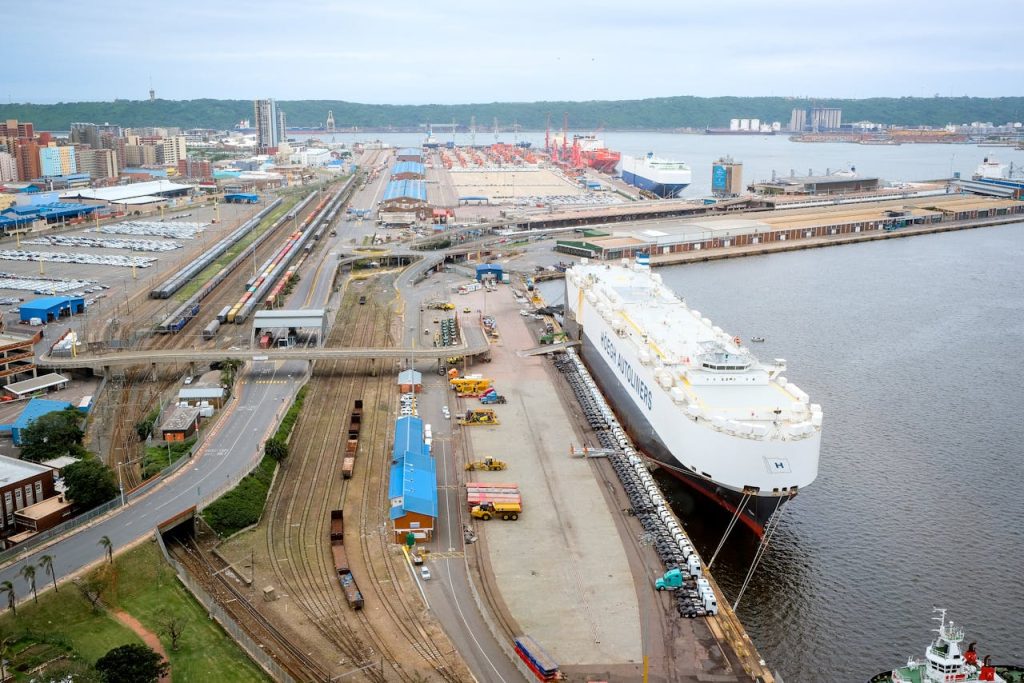
The global manufacturing sector is undergoing a profound structural realignment in 2026. As multi-national corporations, private equity firms, and international procurement managers seek to insulate their supply chains from geopolitical friction and skyrocketing freight costs, attention has shifted decisively toward high-growth frontier nodes. Within West Africa, the premier destination answering this high-yield demand is the Republic of Guinea.
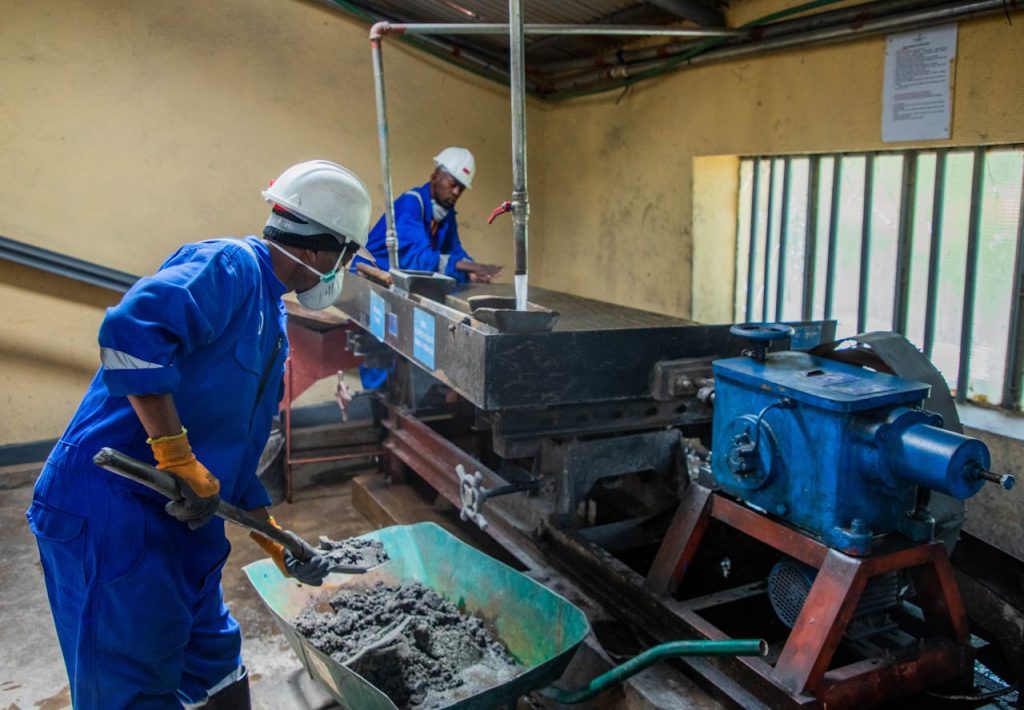
While historically celebrated for its world-class bauxite and high-purity iron ore deposits, Guinea is actively executing a national economic diversification strategy. The country is moving rapidly beyond raw mineral extraction to build a highly competitive downstream processing and assembly ecosystem. For international developers, capitalizing on regional industrialization opportunities means securing a vital, early-mover foothold in Guinea’s rapidly expanding light manufacturing sector.
At Yes! Invest Guinea, we operate as your premier institutional concierge and operational bridge on the ground. Driven by the pro-enterprise mandates of the modernized Investment Code, this comprehensive guide explores the core economic drivers, high-yielding product niches, and regulatory safety nets transforming Guinea into a localized manufacturing hub.
1. Core Economic Drivers Fueling Light Manufacturing in Guinea
The strategic aggregation of global manufacturing capital in Conakry and specialized Special Economic Zones (SEZs) is built on absolute economic logic. Guinea offers three distinct operational advantages for light industrial assembly:
Seamless Duty-Free Access to Regional Trade Blocs
Establishing a localized production or assembly plant inside Guinea completely unlocks borderless cross-border trade. Under the active frameworks of the Economic Community of West African States (ECOWAS) and the expanding African Continental Free Trade Area (AfCFTA), companies manufacturing finished or semi-finished goods locally can distribute their products tariff-free to a massive regional market of over 350 million consumers.
Rich Local Raw Materials for Immediate Value Addition
Rather than importing raw inputs across extensive trans-oceanic supply lines, light manufacturers in Guinea can source premium raw materials directly at the primary source. From high-grade aluminum sheets derived from local bauxite to raw agricultural inputs and domestic timber, setting up facilities next to the extraction nodes minimizes logistics costs and dramatically boosts gross profit margins.
An Energetic, Trainable, and Cost-Effective Workforce
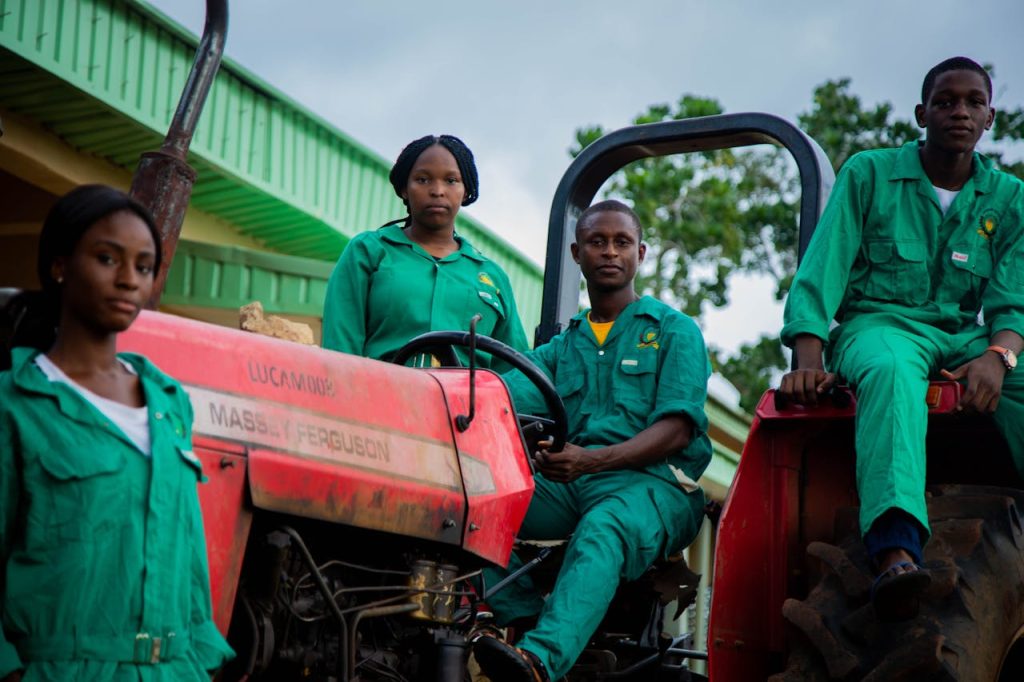
A vital metric for labor-intensive assembly lines is human capital. Guinea offers a young, dynamic, and highly adaptable workforce. This demographic profile provides expanding corporate entities with highly competitive labor costs across diverse manufacturing lines, ranging from textile stitching and electronic assembly to sustainable packaging design.
2. High-Yield Sub-Sectors Ripe for Private Capital Allocation
The expansion of Guinea’s urban centers and the influx of industrial workforces have triggered an acute demand for locally manufactured goods. Private capital can capture dominant market shares across three specific light industrial niches:
1. Eco-Friendly Packaging and Construction Materials
The rapid scale-up of modern commercial enterprises, retail centers, and downstream agricultural processing demands a reliable supply of packaging solutions. Furthermore, the construction boom requires localized production of aluminum window frames, corrugated roofing sheets, and PVC piping. Setting up automated light assembly plants to produce these items locally completely replaces expensive, slow-moving foreign imports.
2. Assembly of Consumer Electronics and Appliances
As the local middle class expands and digital connectivity spreads across West Africa, the demand for affordable smartphones, tablets, LED lighting fixtures, and household appliances is soaring. International electronics brands can establish semi-knocked-down (SKD) assembly corridors within Guinea’s special economic zones, minimizing initial technical hurdles while optimizing local tariff exemptions.
3. Integrated Agribusiness and Downstream Food Packaging
To move past raw commodity shipping, large-scale agricultural projects require localized packaging centers. Light industrial operations that manufacture food-grade tins, jars, cardboard boxes, and protective crates create an essential B2B service. These packaging units align directly with high-capacity processing hubs, such as modern Nut Processing Units, allowing goods to meet strict global export standards regulated by the International Organization for Standardization (ISO).
3. Tech-Driven Hubs: Securing Energy Sovereignty via Smart Grids
Continuous assembly lines, computerized sorting networks, and automated packaging machinery require an absolute guarantee of uninterrupted, scalable electrical power.
Independent Microgrids for Operational Continuity
While large-scale hydroelectric projects provide excellent baseline power to primary industrial sectors, specialized manufacturing hubs and remote processing zones require independent solutions. International green-tech developers are successfully capturing significant market share by constructing decentralized hybrid Microgrid Systems.
By combining high-efficiency industrial solar arrays with advanced battery energy storage systems (BESS), local manufacturing facilities can maintain stable, 24/7 power. These smart grids utilize advanced cloud-based tracking architectures to manage heavy electrical loads in real-time. This tech-driven edge completely prevents unexpected industrial downtime while lowering corporate carbon footprints to meet sustainability parameters monitored by organizations like the International Energy Agency (IEA).
4. Legal Certainty: Navigating Protections under the OHADA Framework
For international corporate boards, legal counsels, and compliance managers looking to deploy large-scale capital into frontier manufacturing spaces, the primary priority is absolute legal safety and predictability. Guinea answers this requirement through its strict integration into standardized international civil business laws.
Unified Business Protections and Asset Security
Guinea operates as a core member of the OHADA Law framework (Organization for the Harmonization of Business Law in Africa), a highly unified commercial legal code active across 17 African nations. This civil law system offers total predictability. It guarantees that long-term industrial land concessions (emphyteutic leases up to 99 years), corporate joint ventures, factory acquisitions, and intellectual property rights are legally secure and fully recognized by international commercial arbitration courts, mitigating standard legal risks.
Exclusive Incentives Under the Investment Code
Foreign enterprises registering manufacturing or assembly operations through the Agency for the Promotion of Private Investments (APIP) unlock a competitive suite of fiscal benefits:
- Tax Holidays: A complete 8 to 10-year exemption from corporate income tax for manufacturing and industrial projects established outside the primary capital city zone.
- Customs Duty Waivers: 0% import duties and full VAT exemptions on all specialized manufacturing hardware, automated machinery, and initial industrial components during the factory construction phase.
- Capital Protection: Full legal rights for international corporations to freely repatriate 100% of profits, company dividends, and operational capital in foreign currency back to their home jurisdictions.
5. Frequently Asked Questions (FAQ)
- What defines light manufacturing opportunities in Guinea in 2026?
Light manufacturing in Guinea focuses primarily on capital-efficient, high-volume consumer product assembly, electronics packaging, eco-friendly construction material fabrication, and downstream agricultural value addition aimed at the broader West African market.
- Can an international investor maintain 100% corporate ownership of a factory in Guinea? Yes. Under the unified OHADA legal framework and Guinea’s open investment policies, foreign investors are legally permitted to establish, manage, and maintain 100% ownership of their local corporate subsidiaries (such as a SARL or SA) across most industrial, manufacturing, and technological sectors without a local partner requirement.
- What international trade frameworks benefit goods produced in Guinea?
Goods manufactured or processed within Guinea qualify for tariff-free distribution across 54 African nations via the African Continental Free Trade Area (AfCFTA) framework. For global trade, products also benefit from duty-free access to European markets through the Everything But Arms (EBA) initiative.
- How long does the official company incorporation process take for a foreign entity?
Through the digitized “One-Stop Shop” system managed by APIP, international businesses can fully complete company incorporation, secure a local Tax ID, and obtain a commercial registry in approximately 3 to 5 business days.
- How can Yes! Invest Guinea assist international manufacturing groups? We serve as your comprehensive institutional concierge on the ground. Our team handles Company Registration in Guinea, provides elite Legal and Regulatory Assistance, navigates bureaucratic processes via direct Government and Institutional Liaison, and manages local logistics to ensure your project runs with maximum operational resilience.
Conclusion: Turning Frontier Potential Into Lasting Success
The strategic window of opportunity to capitalize on the momentum of West Africa’s industrial expansion is wide open. By matching your advanced corporate assembly technologies, manufacturing capabilities, and investment capital with Guinea’s unparalleled natural wealth, regional market access, and secure legal protections, your firm can build an unshakeable market position.
Scale Your Industrial Output with Yes! Invest Guinea
At Yes! Invest Guinea, we deliver the critical data, verified institutional networks, and legal safety rails required to transition your commercial manufacturing project seamlessly from a blueprint into a highly profitable operational reality.