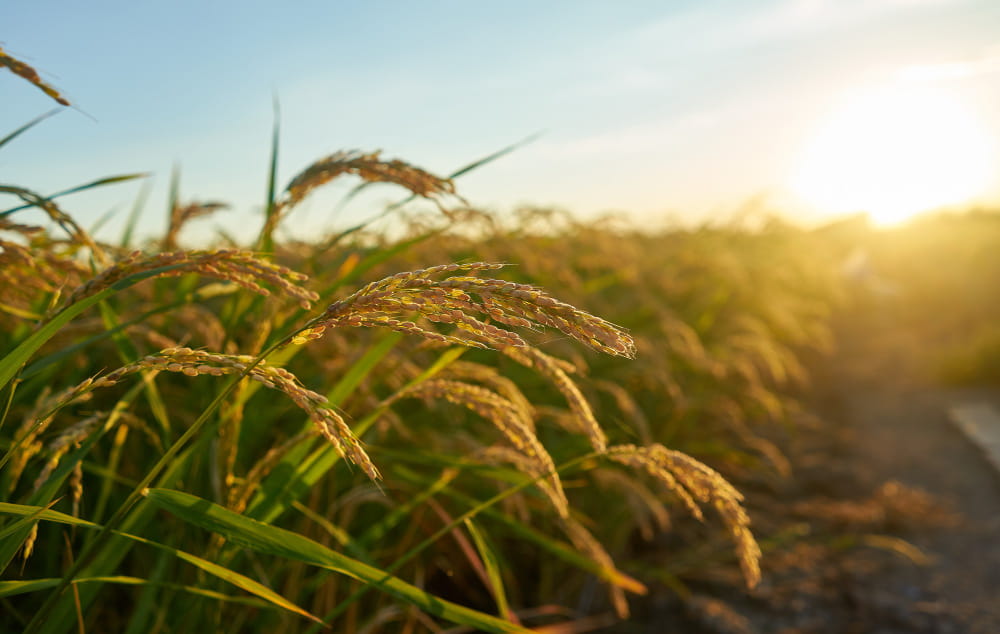
Guinea is often described through the lens of its mineral wealth, but beneath the bauxite headlines lies an equally compelling opportunity: food and beverage processing. Agriculture employs more than half of Guinea’s workforce, yet most of what is grown leaves the farm gate raw and unprocessed. That gap between raw production and finished, packaged goods represents one of the most promising entry points for manufacturing and industrialization investment in the country today.
In this guide, Yes! Invest Guinea explores why food and beverage processing is gaining momentum, which sub-sectors offer the strongest returns, and how investors can position themselves to benefit from Guinea’s agro-industrial transformation.
Why Food and Beverage Processing Is a Strategic Opportunity in Guinea
Guinea’s agricultural potential is enormous, yet a large share of that potential remains untapped at the processing stage. According to the World Bank, agriculture employs 52% of Guinea’s workforce, but formal farming and processing activity remain limited — underscoring exactly where new value and jobs can be created. This is a market still defined by raw commodity production rather than finished consumer goods, which means early movers in processing have significant room to capture market share.
The Guinean government has explicitly prioritized this shift. Its 2024 Investment Climate Statement lists agricultural promotion, commercial farming involving processing and packaging, fisheries, and food-related preparation industries among the government’s priority investment categories — alongside incentives designed to attract capital into exactly these activities.
A Market Still Reliant on Imports
Despite its agricultural base, Guinea remains a net food importer. The U.S. Trade Administration’s Guinea Agriculture Sector report notes that rice alone accounts for nearly 40% of all food imports, and both rice and wheat flour staples of the Guinean diet are produced domestically only at levels far below demand. This import dependence is not a weakness for investors; it is a clearly defined, large, and immediate domestic market waiting for local processing capacity.
Key Sub-Sectors Within Food and Beverage Processing
Fruit Juice and Beverage Production
Guinea’s tropical climate supports abundant production of mangoes, pineapples, and other fruits, much of which is lost to spoilage due to limited cold storage and processing infrastructure. Investment research from Alliance Food Engineering Consultants highlights fruit juice production as a leading opportunity, noting that a single processing plant can handle up to 50,000 liters of juice per day reducing post-harvest losses while meeting rising regional demand for healthier beverage options.
Cashew and Nut Processing
Guinea is among West Africa’s largest cashew producers, yet most cashews are still exported raw. A dedicated cashew processing facility covering cleaning, roasting, and packaging into kernels, butter, or milk can process thousands of tons annually and tap into fast-growing global demand from the snack and health-food industries.
Flour Milling and Pasta Production
With rice and wheat among the country’s most imported staples, flour milling represents a direct opportunity to reduce import dependence. Pairing milling capacity with pasta production allows investors to serve both domestic consumption and broader West African regional markets.
Vegetable Oil Processing
Palm oil and peanut oil are in consistent demand for cooking and food manufacturing across Guinea. Establishing local vegetable oil processing capacity rather than relying on imported refined oils offers a scalable opportunity tied directly to existing agricultural production.
Cassava Processing and Value-Added Agro-Products
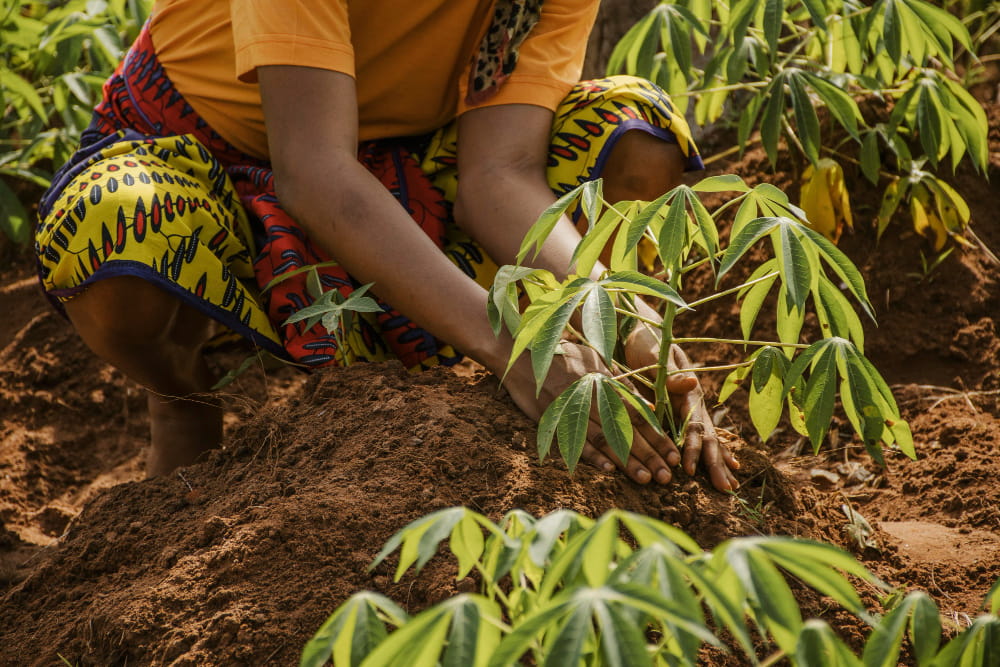
Cassava processing has been specifically flagged as an investment-ready opportunity by Guinean institutions. According to APIP’s Director General, cited in the World Bank feature on Guinea’s agricultural development, the agency has advanced cassava processing, food production, and related projects “from concept to fully funded investment-ready businesses,” supported by the World Bank Group’s IFC and IDA programs.
Real Examples of Food and Beverage Investment Success
One of the clearest illustrations of this opportunity is BMI Farms, a Guinean agribusiness near Tanene, roughly 50 kilometers from Conakry. What began as an idea for a beer factory evolved into a diversified agribusiness cultivating more than 1,000 hectares using precision irrigation. The operation has since expanded into a dedicated processing plant for juice concentrates and soft drinks, adding value to local produce while reducing waste and creating jobs across nearly 30 surrounding villages.
This case demonstrates a pattern increasingly visible in Guinea: agricultural investments that begin with raw cultivation are finding their strongest returns once they integrate downstream processing capacity. Supporting institutions like the International Finance Corporation have played a direct role in helping local champions like BMI Farms become investment-ready, while the World Bank’s IDA-financed Guinea Commercial Agriculture Development Project has provided technical assistance on processing equipment and irrigation design.
Government Incentives Supporting Food and Beverage Manufacturers
Guinea’s investment framework includes specific advantages designed to attract processing and manufacturing investment:
- Tax exemptions on imported capital equipment and raw materials used in priority manufacturing sectors
- Corporate income tax holidays for investors entering priority categories, including agro-processing
- Full repatriation of profits and dividends for foreign investors
- APIP’s One Stop Shop services, which streamline registration, licensing, and access to investment-ready project pipelines
These incentives, combined with growing institutional support from APIP, the World Bank Group, and the African Development Bank, are designed to lower the barriers that have historically slowed agro-industrial investment in Guinea.
Challenges Investors Should Plan For
Food and beverage processing in Guinea is not without obstacles. Poor road infrastructure and the absence of a reliable cold chain transportation network make it difficult to move perishable goods to market before spoilage occurs. Access to finance and land remains a constraint for many local producers, and electricity reliability continues to affect processing capacity in some regions. Investors who plan around these realities by securing sites near improving infrastructure corridors and building in flexible power solutions are best positioned to succeed.
How Yes! Invest Guinea Supports Food and Beverage Investors
Yes! Invest Guinea works with manufacturers and agribusiness investors to navigate Guinea’s food and beverage processing landscape from the ground up. Our support includes:
- Site identification near key agricultural production zones and transport corridors
- Coordination with APIP and relevant ministries for licensing and incentive access
- Introductions to local agricultural producers and cooperatives for reliable raw material sourcing
- Guidance on aligning projects with World Bank Group and IFC investment-readiness programs
- Ongoing market intelligence on demand trends across juice, oils, flour, cashew, and cassava value chains
Frequently Asked Questions
- Why is food and beverage processing considered a strong investment opportunity in Guinea? Guinea produces significant raw agricultural output but processes very little of it domestically, leaving a large, underserved market for locally manufactured juices, oils, flour, and packaged foods.
- What food processing sub-sectors offer the highest near-term potential? Fruit juice production, cashew processing, flour milling and pasta production, vegetable oil processing, and cassava-based value-added products are among the most cited opportunities by industry researchers and government agencies.
- Does the Guinean government offer incentives for food and beverage manufacturers? Yes. Priority sectors, including agro-processing, can access tax exemptions on imported equipment, corporate income tax holidays, and full profit repatriation for foreign investors.
- What are the biggest operational risks for food processing investors in Guinea? Limited cold chain infrastructure, inconsistent road conditions, and electricity reliability are the most significant challenges, though ongoing infrastructure investment is gradually addressing these gaps.
- How can Yes! Invest Guinea help investors enter the food and beverage sector? Yes! Invest Guinea provides site selection, regulatory coordination with APIP, sourcing introductions, and access to investment-readiness support aligned with World Bank Group and IFC programs.
Turn Guinea’s Agricultural Potential Into Processed Value
Guinea’s food and beverage processing sector sits at the intersection of abundant raw materials and a domestic market still reliant on imports a combination that rarely lasts. Investors who move now can capture early advantage in juice, oils, flour, cashew, and cassava processing before the market matures.
Reach out to Yes! Invest Guinea today to explore food and beverage manufacturing opportunities tailored to Guinea’s fastest-growing agricultural regions.