Guinea’s coastline stretches over 300 kilometers along the Atlantic Ocean, and its river systems run deep into the interior. Yet the country’s aquaculture sector remains one of the most underdeveloped and underinvested industries on the continent. For forward-thinking investors, this gap represents an extraordinary commercial opportunity. Aquaculture and fish farming in Guinea offer the rare combination of abundant natural resources, growing domestic demand, and minimal competition: a trifecta that rarely surfaces in emerging markets.
This guide walks you through everything you need to know about investing in Guinea’s aquaculture and fish farming sector: the market opportunity, the key species, investment models, regulatory framework, and how to get started.
Why Guinea Is Primed for Aquaculture Investment
A Nation Surrounded by Water, But Dependent on Imports
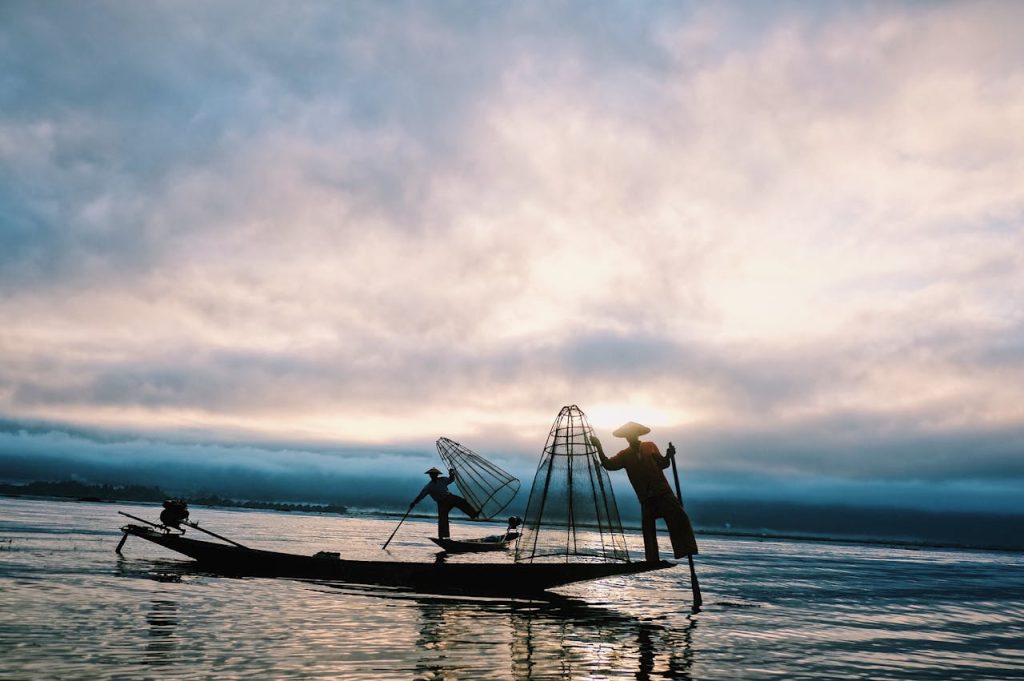
Guinea is home to the Niger River tributaries, the Konkouré River, the Milo River, and a productive Atlantic coastline shared with Sierra Leone and Guinea-Bissau. Despite this natural wealth, Guinea currently imports a significant portion of its fish supply, primarily from Asia and other West African nations. According to the Food and Agriculture Organization (FAO), Guinea’s per capita fish consumption is among the highest in the region, reflecting a cultural preference deeply rooted in the Guinean diet.
This import dependency creates a direct and pressing market gap. Investors who establish local aquaculture operations can capture both the domestic market and regional export channels simultaneously, undercutting import prices while delivering fresher products.
Rapidly Growing Population and Protein Demand
Guinea’s population is projected to surpass 16 million by 2030, with urbanization rates increasing in cities like Conakry, Kindia, and Labé. Rising urban populations mean rising demand for affordable, high-protein food sources. Fish remains the primary protein source for the majority of Guinean households, making aquaculture a food-security investment as much as a commercial one.
The World Bank projects that global aquaculture production will need to grow by 40% by 2030 to meet protein demand, with sub-Saharan Africa representing one of the fastest-growing consumption regions.
Key Aquaculture Sectors to Invest In
Freshwater Fish Farming (Tilapia and Catfish)
Tilapia and African catfish (Clarias gariepinus) are the workhorses of inland aquaculture across West Africa. Both species are:
- Fast-growing (harvest-ready in 4–6 months)
- Disease-resistant and adaptable to pond environments
- Highly in demand at local markets
- Compatible with low-cost, small-to-medium pond infrastructure
Guinea’s river valleys and lowland areas provide ideal conditions for pond-based tilapia and catfish farming. With the right feed management and stocking densities, farms can achieve yields of 5–10 tonnes per hectare per cycle, returns that are highly competitive by regional standards.
Shrimp and Prawn Farming (Coastal and Estuarine)
The coastal estuaries and mangrove zones of the Guinean coast are naturally suited to shrimp and prawn aquaculture, particularly species such as Penaeus monodon (giant tiger prawn) and local freshwater prawns. Shrimp farming offers premium export pricing to European and Asian markets and aligns well with Guinea’s existing maritime infrastructure.
The WorldFish Center has identified West Africa’s coastal regions as high-potential zones for sustainable shrimp mariculture development, citing the region’s natural water quality, salinity ranges, and low pathogen pressure compared to established Asian production zones.
Integrated Fish-Rice and Agro-Aquaculture Systems
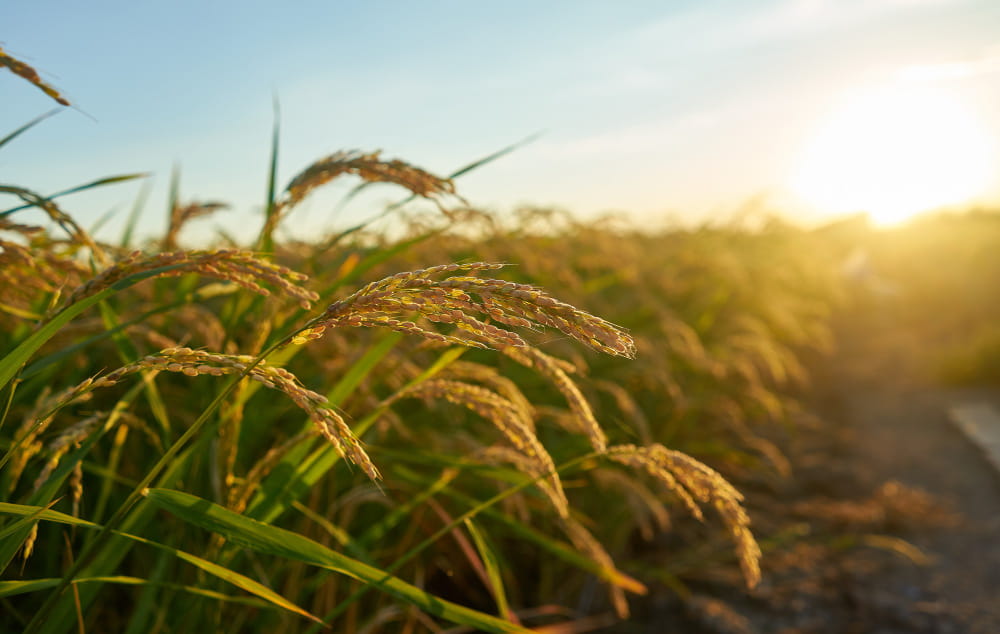
A growing model in West Africa is integrated rice-fish farming, where fish are reared in flooded rice paddies simultaneously with the rice crop. This system:
- Reduces input costs (fish manure fertilizes rice; insects in paddy feed fish)
- Doubles land productivity
- Appeals to smallholder farmers and commercial integrators alike
For investors targeting large-scale agribusiness models, integrated aquaculture-agriculture systems represent a highly scalable entry point into Guinea’s rural economy, with strong support from international development bodies such as IFAD.
Investment Models Available in Guinea
Commercial Fish Farms
Large-scale commercial operations with dedicated pond systems, aeration, feed silos, and processing facilities represent the highest capital, highest return model. An investor can realistically establish a 10–50 hectare commercial tilapia farm for between $500,000 and $3 million USD, depending on infrastructure requirements and land access.
Hatchery and Fingerling Supply
One of the biggest bottlenecks in Guinea’s aquaculture growth is the lack of quality hatcheries producing certified fingerlings (juvenile fish). Establishing a fingerling hatchery is a B2B model that supports the entire sector ecosystem, supplying both commercial farms and smallholder farmers with reliable stock. This model offers steady recurring revenue with lower volatility than retail fish production.
Feed Manufacturing
Fish feed currently represents 60–70% of operating costs in aquaculture ventures. Guinea lacks domestic feed manufacturing capacity, meaning feed is largely imported at premium prices. A locally based feed mill utilizing Guinea’s domestic grain and agricultural by-products would capture a captive market while significantly reducing costs for all regional producers.
Aquaculture Export Processing
Establishing cold chain and processing facilities near coastal or river farm clusters positions an investor to serve both local markets and export customers in the EU and Gulf states. Value-added products such as smoked fish, frozen fillets, and dried shrimp command significantly higher margins than raw fish sales.
Regulatory Framework and Investment Incentives
Guinea’s Ministry of Fisheries and Aquaculture (Ministère de la Pêche et de l’Aquaculture) oversees all aquaculture licensing and environmental compliance. Key points for investors include:
- Investment Code: Guinea’s Investment Code provides tax exemptions for qualifying agribusiness investments, including aquaculture, for periods of up to 8 years in designated priority zones.
- Land Access: Aquaculture land concessions can be negotiated through the Ministry of Agriculture and Land Use, with long-term lease terms typically available.
- Foreign Ownership: Foreign investors may hold majority ownership in aquaculture entities under Guinea’s current FDI framework.
For current regulatory guidance and government liaison support, YES! Invest in Guinea provides comprehensive facilitation services covering licensing, environmental compliance, and institutional introductions.
Challenges and How to Mitigate Them
Every frontier market carries risk. In Guinea, aquaculture investors should be prepared to address:
- Electricity reliability: Grid power is inconsistent; solar-hybrid or generator backup systems are standard for serious operations.
- Feed supply chains: Until domestic manufacturing scales, importing feed requires reliable logistics partners and foreign exchange management.
- Technical capacity: Skilled aquaculture technicians are scarce; budgeting for training programs or expatriate technical staff is essential in early years.
- Permitting timelines: Government processes can be slow; working with an experienced local facilitator like YES! Invest in Guinea dramatically reduces delays.
FAQ: Aquaculture Investment in Guinea
- What is the minimum investment required to start a fish farm in Guinea? Small-scale pond farms can begin with as little as $20,000–$50,000 USD for a 1–2 hectare operation. Commercial-scale operations typically require $500,000 or more. Hatcheries and processing facilities sit in the $200,000–$1 million range depending on capacity.
- What fish species are most commercially viable for farming in Guinea? Nile tilapia (Oreochromis niloticus) and African catfish (Clarias gariepinus) are the most proven and commercially viable species for freshwater farming. Coastal investors may also explore shrimp, barramundi, and sea bass for export-oriented production.
- Are there government incentives for aquaculture investors in Guinea? Yes. Guinea’s Investment Code offers tax exemptions, customs duty reductions on imported equipment, and priority processing for investments in the agribusiness sector, which includes aquaculture. Specific incentives depend on investment size, location, and employment generation.
- Can foreign investors own aquaculture businesses in Guinea? Yes. Foreign investors can hold majority or full ownership in aquaculture entities under Guinea’s Foreign Direct Investment (FDI) framework. Joint ventures with local partners are also encouraged and can accelerate regulatory approvals and community relations.
- How long does it take to get an aquaculture license in Guinea? Licensing timelines vary but typically range from 3 to 9 months depending on farm size, environmental impact assessment requirements, and administrative processing. Engaging an investment facilitation partner to manage the process can significantly reduce delays.
Ready to Invest in Guinea’s Aquaculture Sector?
The window to enter Guinea’s aquaculture market as an early-mover investor is open, but it won’t stay open forever. As regional awareness grows and infrastructure improves, entry costs and competition will rise.
YES! Invest in Guinea is West Africa’s premier private investment facilitation agency, dedicated to connecting serious investors with vetted opportunities in Guinea’s most high-potential sectors, including commercial fishing and aquaculture.
Our team handles everything from company registration and government liaison to site identification and regulatory compliance. We make investing in Guinea straightforward, secure, and profitable.
Explore aquaculture investment opportunities in Guinea today →