The global aluminum industry in 2026 is experiencing a structural realignment driven by energy efficiency mandates and supply chain localization. For decades, the Republic of Guinea has operated as a leading supplier of raw bauxite to the world’s primary smelters. However, a profound shift is occurring as the nation transitions from raw material extraction to high-value industrial processing. If you are analyzing the macroeconomic potential of investing in an aluminum smelting factory in Guinea by Middle East investors, the current market conditions present an exceptional alignment of vast natural resources, strategic geographic location, and sophisticated sovereign wealth deployment.
Middle Eastern capital allocators, sovereign wealth funds (SWFs), and heavy industry conglomerates from the Gulf Cooperation Council (GCC) are uniquely positioned to anchor this industrial evolution. By combining the Middle East’s world-class operational expertise in smelting with Guinea’s unrivaled bauxite reserves, this cross-border corridor is set to define the next generation of global aluminum production.
The Strategic Synergy: GCC Expertise Meets Guinean Resources
The investment thesis for Middle Eastern capital entering Guinea’s downstream metal sector is built on powerful complementary strengths. GCC nations possess some of the world’s most advanced, energy-efficient aluminum smelting operations, while Guinea holds over one-third of the planet’s proven bauxite deposits.
| Investment Input (Middle East Capital) | Resource Asset (Guinea Value) | Strategic Market Synergy (2026) |
| Advanced Smelting Technology & Operational Expertise | World’s largest unexploited high-grade bauxite reserves | Elimination of long-distance raw material transport costs by localized production. |
| Sovereign Wealth Funds & Large-Scale Project Financing | Massive untapped green hydroelectric power potential | Production of high-premium “Green Aluminum” to meet strict global carbon mandates. |
| Established Global Logistics & Distribution Networks | Direct gateway to 1.3 billion consumers via the AfCFTA bloc | Duty-free export capabilities across the entire West African economic corridor. |
1. Moving Beyond the Bauxite Export Model
Historically, millions of tons of raw Guinean bauxite traveled long maritime routes to be refined and smelted abroad. In 2026, the Guinean government’s structural economic policy, “Simandou 2040,” heavily incentivizes local transformation. By shifting focus toward the construction of domestic alumina refineries and aluminum smelting factories, the country aims to retain the industrial profit margin within its borders, creating a high-alpha opportunity for early-stage institutional developers.
2. Utilizing Guinea’s Massive Hydropower Potential
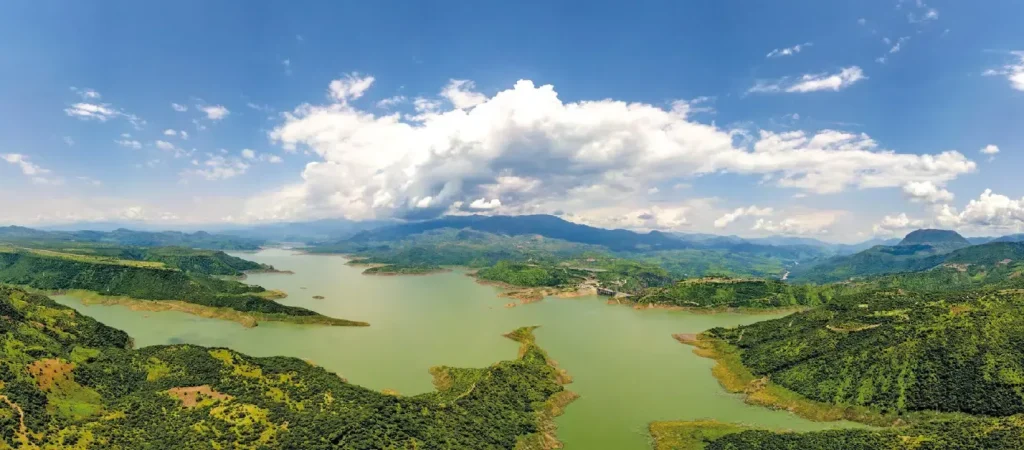
Aluminum smelting is an energy-intensive process that demands stable, continuous, and cost-effective baseload electricity. Guinea, widely recognized as the “Water Tower of Africa,” possesses an estimated 6,000 MW of untapped hydroelectric potential. The integration of modern smelting facilities with utility-scale run-of-river hydro plants allows Middle Eastern developers to produce “Green Aluminum” a highly coveted commodity commanding premium pricing in European and North American markets due to strict carbon-border adjustments.
3. Comprehensive Legal Protections Under OHADA Business Law
A primary requirement for Gulf institutional funds is legal predictability and robust asset protection. Guinea provides these guarantees through its foundational membership in OHADA (Organization for the Harmonization of Business Law in Africa). This standardized, transparent commercial legal code operates across 17 African nations, ensuring contract enforceability, clear intellectual property rights, and reliable international arbitration mechanisms that match global compliance standards.
High-Growth Segors and Core Project Integration
Deploying capital into a Guinean smelting enterprise requires a comprehensive understanding of integrated infrastructure, supply logistics, and target market dynamics.
| Project Component | Strategic Infrastructure Requirements | Primary Strategic Benefit |
| Primary Smelting Plant | Modern potlines, automated anode baking facilities, casting houses | Direct transformation of alumina into high-grade aluminum ingots. |
| Dedicated Alumina Feed stock | Co-located or rail-linked chemical refining units | Drastically reduces internal logistical friction and handling costs. |
| Renewable Energy Hookup | High-voltage connections to major national hydro dams | Secures low-cost, sustainable power to qualify for global “Green Metal” premiums. |
Utility-Scale Primary Smelting Plants
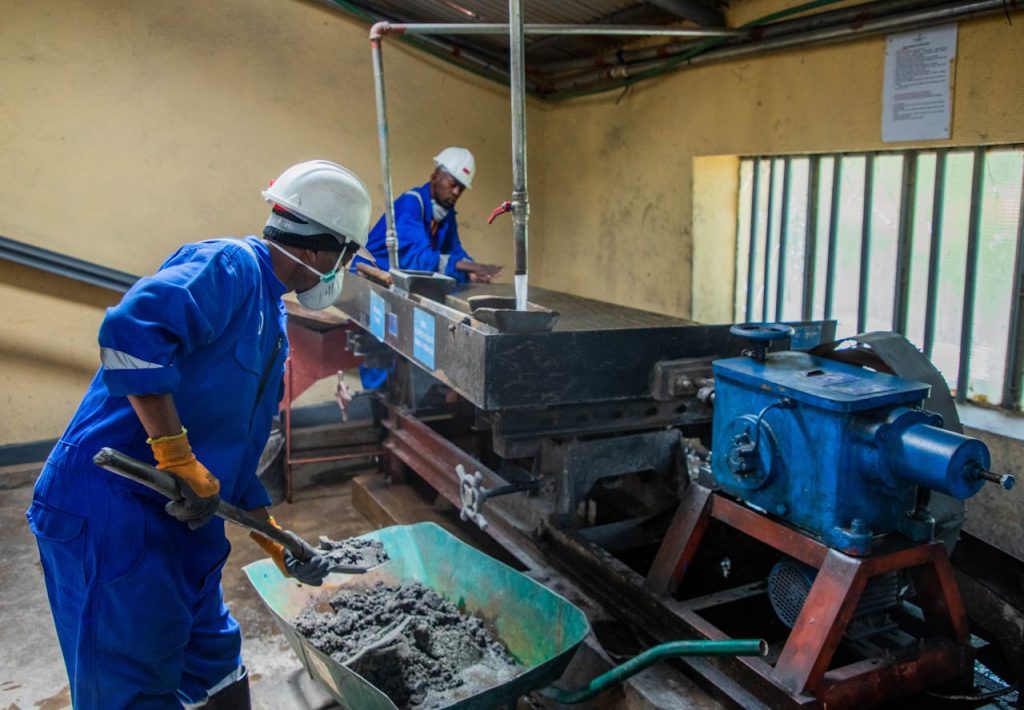
The core opportunity lies in constructing state-of-the-art smelting facilities near major maritime exit points. These plants utilize advanced reduction technologies to process local alumina into premium-grade aluminum ingots, billets, and slabs destined for global industrial consumers.
Co-Located Alumina Refining Infrastructure
To secure maximum operational efficiency, forward-thinking GCC investors are designing integrated industrial hubs. By co-locating an aluminum smelting factory with an alumina refinery, processing operations can take raw bauxite directly from nearby mines, refine it into alumina, and feed it immediately into smelting potlines, eliminating substantial international shipping and handling overheads.
Deep-Water Port Logistics and Rail Access
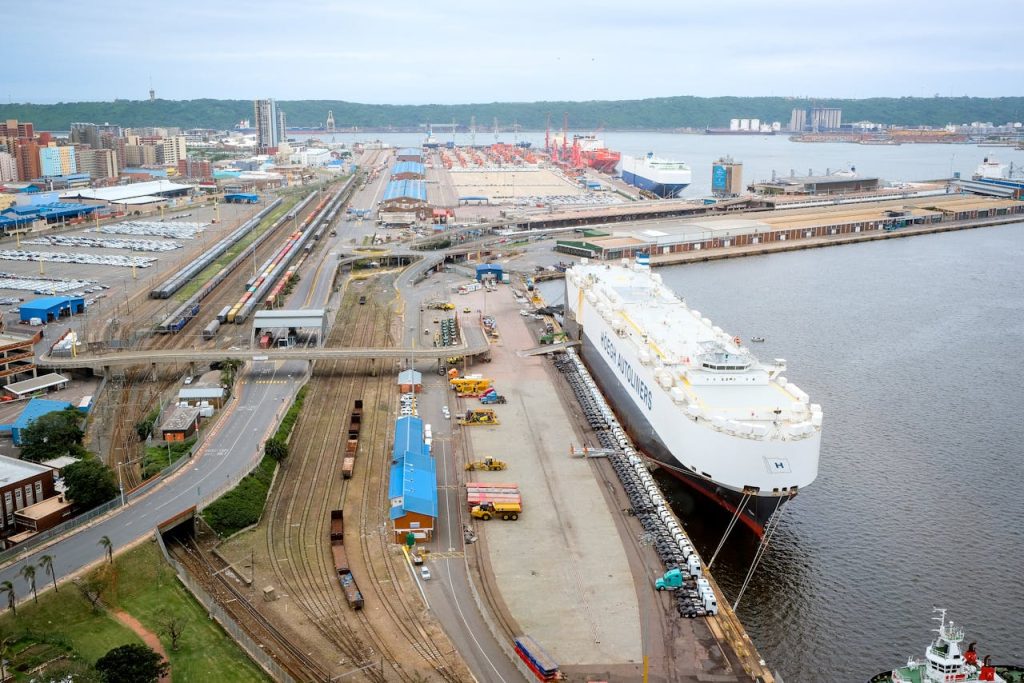
Guinea’s modern transport infrastructure, including multi-user heavy-haul rail lines and specialized deep-water terminals like the Morebaya Port, ensures that heavy industrial plants have immediate, unhindered access to international shipping lanes, allowing for seamless distribution to markets across the Middle East, Europe, and the Americas.
Regulatory Incentives and Fiscal Protections for Gulf Investors
The Guinean Investment Code offers extensive statutory protections and financial benefits specifically tailored to high-cap infrastructure and heavy manufacturing projects.
1. Streamlined Special Economic Zone (SEZ) Status
Large-scale aluminum developments routinely qualify for designated Special Economic Zone status. This regulatory classification provides developers with unparalleled operational advantages:
-
Extended Corporate Tax Holidays: Up to 15 years of complete exemption from corporate income tax to facilitate rapid capital recovery.
-
Full Customs and Duty Waivers: Zero import tariffs on specialized heavy industrial components, smelting machinery, and structural steel.
-
Exemptions from Value Added Tax (VAT): On local procurement of construction materials and engineering engineering services.
2. Absolute Freedom of Capital Repatriation
Guinea’s central banking regulations explicitly guarantee foreign investors the unrestricted right to convert and transfer corporate dividends, investment profits, interest payments, and liquidated asset capital back to global financial hubs, including Dubai, Abu Dhabi, Doha, and Riyadh, without administrative delays.
3. Strategic Market Access via the AfCFTA Protocol
By establishing production facilities within Guinea, Middle Eastern manufacturers gain direct access to the African Continental Free Trade Area (AfCFTA) network. This allows finished aluminum products manufactured in Conakry to be distributed tariff-free to a massive continental market comprising over 1.3 billion consumers.
Step-by-Step Corporate Entry Guide via APIP
Navigating market entry is a structured, highly efficient process when managed through the Agency for the Promotion of Private Investments (APIP), which serves as Guinea’s centralized regulatory “One-Stop Shop.”
-
Phase 1: Legal Entity Configuration: Establish the appropriate corporate vehicle, typically a Joint Stock Company (Société Anonyme – SA), with corporate bylaws drafted to align perfectly with OHADA legal directives.
-
Phase 2: Administrative Onboarding: Submit finalized project blueprints, environmental impact assessments, and corporate documentation directly to the APIP office in Conakry.
-
Phase 3: Licensing and Tax Registration: Within 72 hours, APIP processes the corporate file, assigns a unique Tax Identification Number (NIF), and registers the entity with the Commercial Registry (RCCM).
-
Phase 4: Concession and Land Allocation: Finalize long-term emphyteutic land leases within designated industrial zones and secure essential environmental operating permits from the Ministry of Environment.
Frequently Asked Questions (FAQ)
1. Can Middle Eastern entities retain 100% ownership of an aluminum factory in Guinea?
Yes. Guinea’s progressive Investment Code allows foreign institutional investors and private entities to hold 100% equity ownership and absolute operational control over manufacturing and heavy industrial enterprises.
2. How does Guinea guarantee the security of large-scale industrial assets?
In addition to the rigorous legal frameworks established under OHADA law, Guinea is a signatory to the Multilateral Investment Guarantee Agency (MIGA), a member of the World Bank Group, which offers robust insurance policies protecting foreign capital against non-commercial risks, expropriation, or breach of contract.
3. What are the primary sources of energy available for heavy industries?
Guinea is rapidly expanding its green energy infrastructure, focusing heavily on utility-scale hydroelectric power dams (such as Souapiti and Kaléta) alongside modern solar-hybrid mini-grids designed to supply consistent, clean energy to industrial parks.
4. What language is standard for corporate and legal documentation?
French is the official language of administration and commerce in Guinea. However, primary investment facilitation bodies like APIP, along with specialized international legal consultants, routinely manage transactions and draft parallel documentation in English to accommodate global investors.
5. How does Yes! Invest in Guinea assist Middle Eastern investment groups?
We function as your dedicated on-the-ground execution partner, providing comprehensive technical site selection, coordinating environmental and regulatory permitting, structuring joint ventures with certified local entities, and facilitating direct ministerial liaison.
Conclusion: Driving the Next Era of Sustainable Metallurgy
The strategic analysis of investing in an aluminum smelting factory in Guinea by middle east investors confirms an extraordinary macroeconomic opportunity. By merging the Gulf’s unparalleled industrial capital and technological capabilities with Guinea’s immense mineral wealth and expanding green energy grid, proactive investors can build highly profitable, carbon-resilient global supply chains.
The shift toward localized processing is accelerating rapidly. Strategic allocators who secure their position in Guinea’s downstream metal sector today will command the structural heights of West Africa’s industrial renaissance for generations to come.
Ready to anchor your industrial legacy in West Africa? Contact our specialized cross-border investment desk at Yes! Invest in Guinea today to receive our 2026 Industrial Infrastructure Prospectus and arrange a private exploratory session with our project coordination teams.
Contact Yes! Invest in Guinea to Secure Your Global Industrial Footprint Today.