As the global energy transition accelerates, the Republic of Guinea is rapidly positioning itself as the “Green Powerhouse” of West Africa. With a climate blessed by high solar irradiance and a national mandate to achieve energy independence by 2030, the opportunity for investing in a solar farm in Guinea has moved from a visionary concept to a high-yield, bankable reality.
For institutional investors, infrastructure funds, and independent power producers (IPPs), the Guinean energy sector presents a rare combination: a massive supply-demand gap, a modernized regulatory framework, and unwavering government commitment to renewable infrastructure. Whether you are looking to power industrial mining hubs or drive rural electrification, Guinea’s landscape is ready for large-scale solar deployment.
The 2026 Solar Opportunity: Why Guinea?
Guinea’s energy narrative is changing. While historically reliant on hydroelectric power, the nation is diversifying to mitigate seasonal hydro-dependency. In 2026, the government is actively incentivizing the transition toward a “Solar-Hydro Hybrid” grid to ensure consistent power supply throughout the year.
1. Solar Irradiance Data and Geographic Advantage
Guinea receives an average of 4.5 to 6.0 kWh/m² per day of solar radiation, making it one of the most efficient locations for photovoltaic (PV) generation in the ECOWAS region. Unlike some arid northern neighbors, Guinea’s topography allows for distributed solar arrays that can be strategically placed near major industrial load centers.
2. The Industrial Demand for Power
The massive expansion of mining projects, particularly in the Simandou and Boké regions, requires reliable, 24/7 electricity. The national utility, Électricité de Guinée (EDG), is increasingly facilitating Power Purchase Agreements (PPAs) that allow private solar developers to sell power directly into the national grid or to dedicated industrial corridors.
3. Regional Connectivity: The AfCFTA
By investing in solar infrastructure today, you are tapping into a regional market. Through the West African Power Pool (WAPP), Guinea is positioned to export excess renewable energy to neighboring countries, turning a local infrastructure project into a regional energy trade asset.
The Legal and Fiscal Framework for Solar Investment
Success in renewable energy requires a clear path through the regulatory landscape. Guinea’s Investment Code and energy policies have been specifically overhauled to accommodate private sector participation.
| Regulatory Tool | Strategic Benefit |
| Public-Private Partnerships (PPP) | Legal framework for long-term concession contracts between the state and private IPPs. |
| Tax Holidays | 8-10 years of corporate income tax exemptions for renewable infrastructure. |
| Customs Waivers | Duty-free import of solar modules, inverters, and battery storage systems. |
| Repatriation of Capital | Guaranteed freedom to transfer dividends and profits back to foreign accounts. |
Securing Your PPA
The Electricity and Water Regulatory Authority (AREE) provides the regulatory clarity needed to negotiate stable tariffs. By aligning your project with the Ministry of Energy’s national development goals, investors can often secure sovereign guarantees that significantly de-risk the investment.
Strategic Locations for Solar Deployment
Where you build is just as important as how you build. In 2026, the most successful projects are concentrated in three key zones:
1. The Boké-Kamsar Mining Hub
This is the heart of Guinea’s bauxite industry. Mining operations here are desperate to replace expensive diesel generators with cheaper, cleaner solar-battery hybrid solutions. Investors focusing on this region can secure premium commercial PPA rates.
2. The Upper Niger Valley
Characterized by vast, flat, and sparsely populated land, this region offers the lowest “land acquisition friction.” It is ideal for utility-scale solar farms (50MW+) that serve the broader regional grid.
3. The Conakry Industrial Belt
As the capital expands, the demand for rooftop solar and industrial park solar arrays is booming. Small-to-medium scale developers are finding high margins in building decentralized solar grids for the rapidly growing manufacturing sector.
Operational Excellence: ESG and Local Content
In 2026, investing in a solar farm in Guinea is not just about technology; it is about social integration. Investors who prioritize “Local Content” benefit from faster permitting and better community relations.
-
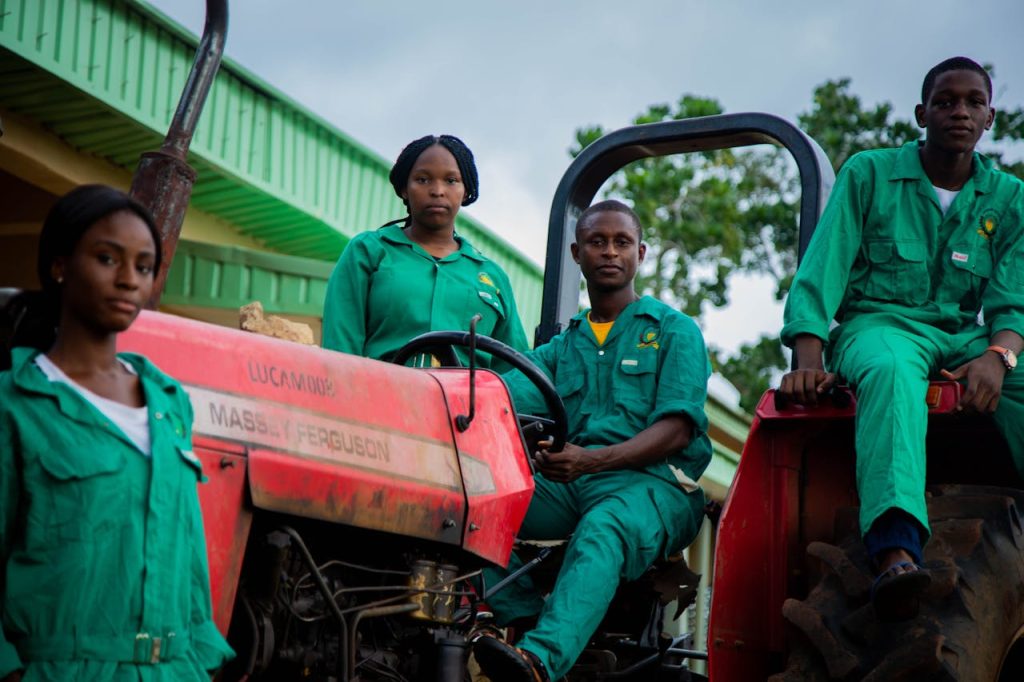
Vocational Training: Projects that include training programs for local Guinean engineers in PV maintenance are prioritized for government support.
-
Environmental Impact: Utilizing existing degraded land or industrial sites avoids the complex environmental permitting hurdles associated with virgin forest clearing.
Integration of Battery Energy Storage Systems (BESS)
To truly monetize the Guinean market, your solar farm should incorporate BESS. This allows you to store daytime energy and release it during peak demand hours, commanding “peak-shaving” tariff premiums that significantly improve the Internal Rate of Return (IRR).
Frequently Asked Questions (FAQ)
1. Is it safe to invest in solar infrastructure in Guinea?
Yes. Guinea is a member of the Multilateral Investment Guarantee Agency (MIGA), which provides comprehensive insurance against non-commercial risks, including political instability and breach of contract.
2. How long does it take to get a solar project approved?
With the streamlined process at the Agency for the Promotion of Private Investments (APIP), developers who have a clear PPA and feasibility study can move from permit to construction in 12–18 months.
3. Can I export power to neighboring countries?
Yes. Through the West African Power Pool (WAPP), Guinea is integrated into a regional electricity market, allowing developers to sign export agreements for excess energy.
4. What are the typical lease terms for land?
For utility-scale solar, the government typically grants long-term emphyteutic leases (up to 99 years), which provides the legal security required by international lenders and commercial banks.
5. How can Yes! Invest in Guinea assist with my solar project?
We provide “End-to-End” advisory: from conducting solar resource mapping and site selection to facilitating negotiations with AREE and connecting you with the right local engineering partners.
Conclusion: Securing Your Energy Legacy
Investing in a solar farm in Guinea is more than a financial play; it is a stake in the foundation of West Africa’s industrial future. As the country moves toward a diversified, resilient, and green energy mix, those who enter the market today will hold the keys to the nation’s energy security for decades to come.
With high solar potential, a welcoming legal framework, and urgent industrial demand, the conditions for solar investment in Guinea have never been more favorable.
Ready to power the future? At Yes! Invest in Guinea, we are your boots on the ground. We bridge the gap between global institutional capital and the high-yield renewable energy opportunities in the Republic of Guinea.
Contact Yes! Invest in Guinea today to receive our 2026 Solar Investment Prospectus.