The Republic of Guinea is rapidly transforming into a pivotal maritime gateway for West Africa. While much of the international attention has focused on extraction, a secondary and highly profitable market is emerging: Warehouse Investments. As the volume of minerals, consumer goods, and industrial equipment moving through the ports of Conakry, Kamsar, and the new developments in Boké reaches record levels, the demand for sophisticated logistics real estate has outpaced supply.
In 2026, investing in Warehouse Investments in Guinea’s port zones is a strategic move for institutional investors, REITs, and logistics firms. By providing the essential “connective tissue” between maritime trade and inland distribution, logistics real estate offers stable, long-term yields backed by the country’s booming export economy. This article analyzes the current demand for warehousing, the strategic locations for investment, and the roadmap for successful market entry.
The Driving Force Behind the Logistics Real Estate Boom
The surge in demand for warehousing in Guinea is tied to the nation’s “infrastructure super-cycle” and its evolving role in regional trade.
1. Port Expansion and Increased Throughput
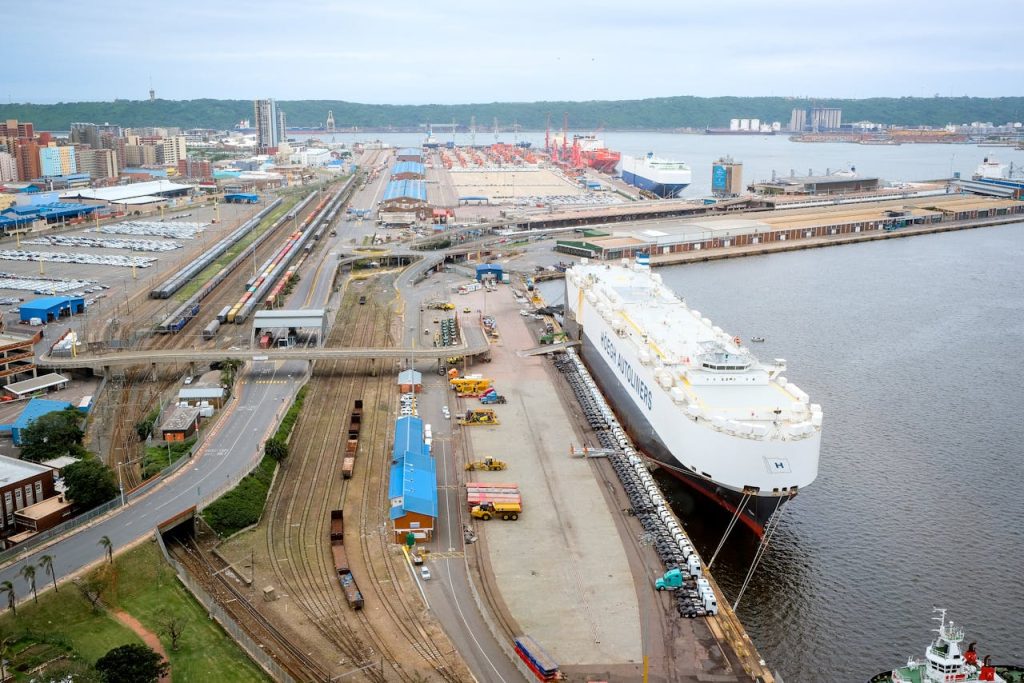
The expansion of the Port of Conakry and the development of specialized mineral ports have increased the frequency of vessel calls. Every ton of imported machinery or exported mineral requires staging areas, transit sheds, or long-term storage, creating a massive requirement for modern floor space.
2. The Simandou Effect and Industrial Growth
The Simandou iron ore project, one of the world’s largest mining ventures, requires a vast logistics ecosystem. This includes the need for specialized warehouses to store spare parts, heavy equipment, and hazardous materials, all of which must be located near port-to-rail terminals.
3. Growth of Organized Retail and Agribusiness
Beyond mining, the rise of formal retail and the export of high-value crops (like pineapples and cashews) demand modern cold-storage and climate-controlled facilities. According to the African Development Bank (AfDB), logistics infrastructure is the primary catalyst for reducing post-harvest losses and improving trade competitiveness in West Africa.
Strategic Opportunities in Warehouse Investments
Investors looking at the 2026 Guinean market should focus on three specific “classes” of logistics real estate.
Grade-A Industrial Warehousing
There is a severe shortage of “Grade-A” facilities warehouses that offer high ceiling clearances, specialized flooring for heavy loads, modern fire suppression systems, and integrated office spaces. International tenants, such as global logistics giants and mining firms, are willing to pay a premium for facilities that meet global safety and operational standards.
Cold Chain and Climate-Controlled Storage
With Guinea’s push into Fruit Agribusiness, the need for refrigerated warehouses (cold storage) is critical. Developing solar-powered cold storage hubs near the ports of Conakry and Kamsar allows for the consolidation of perishable goods before export, ensuring quality and increasing market value.
Multi-User Logistics Parks
Developing “Logistics Parks” that offer shared security, reliable power, and high-speed internet connectivity is a winning model. These parks allow multiple smaller tenants to benefit from shared infrastructure, making it an ideal entry point for SMEs and regional distributors.
Why Invest in Guinea’s Port Zones Now?
The Guinean government and regional treaties have created a secure and incentivized environment for real estate developers.
1. Strategic Locations: Conakry and Kamsar
- Conakry: The commercial heartbeat. Investing in warehouses here provides access to the largest consumer market in the country.
- Kamsar/Boké: The industrial corridor. This region is the center of the bauxite trade and the primary entry point for mining-related logistics.
2. Regulatory Incentives
Under the 2026 Investment Code, logistics and infrastructure projects enjoy:
- Customs Duty Exemptions: Zero duties on imported steel structures, specialized racking systems, and material handling equipment (e.g., forklifts).
- Tax Holidays: Corporate tax relief for projects that contribute to the “industrialization of the port zones.”
- Ease of Land Leasing: The government has designated specific “Zone Industrielle” areas where land titles are pre-vetted and leases are available for up to 50–99 years.
3. Legal Protections under OHADA
As a member of the OHADA framework, Guinea offers a standardized commercial legal system. This includes robust laws on commercial leases and property rights, providing international investors with the same legal protections they would find in other major African markets.
Roadmap for Successful Warehouse Development
- Site Identification: Focus on land within a 15–20km radius of major port terminals or along the primary rail-to-port corridors.
- Due Diligence: Ensure the land has a clear “Titre Foncier” (Land Title) and is zoned for industrial use.
- Sustainable Design: In 2026, the most successful warehouses are “Green.” Integrating rooftop solar panels and LED lighting not only reduces operational costs but also attracts ESG-conscious tenants.
- Partner with Yes! Invest Guinea: Leverage our local expertise to navigate the permitting process, secure land titles, and identify high-quality institutional tenants.
FAQ: Warehouse Investments Guinea
- Is it possible for foreign investors to own warehouse land?
Yes. Foreign entities can lease or own industrial land through a locally registered company. The process is straightforward, especially within designated industrial zones.
- What are the typical rental yields for logistics real estate in Guinea?
Due to the high demand and limited supply of Grade-A space, yields in Conakry and Kamsar are often higher than in saturated European or Asian markets, typically ranging from 10% to 15%.
- Are there “Free Zones” available for logistics?
The government is developing several Special Economic Zones (SEZs) near port areas that offer additional customs benefits and tax-free status for goods intended for re-export.
- How is the security for warehouse investments managed?
Modern warehouses are typically located in gated industrial parks with 24/7 private security. Guinea’s port zones are also under high-level national security surveillance.
- How can Yes! Invest Guinea assist my logistics project?
Yes! Invest Guinea provides end-to-end support, including site selection, legal due diligence on land, navigating construction permits, and connecting developers with reputable local contractors and international tenants.
Conclusion: Securing the West African Gateway
The Republic of Guinea is no longer just a source of raw materials; it is becoming a sophisticated logistics hub. Warehouse Investments: Logistics Real Estate in Guinea Ports represent a cornerstone of this transition. For the investor who recognizes that trade cannot flow without space, the opportunities in 2026 are immense.
The ships are coming, the cargo is growing, and the space is needed. Now is the time to build the infrastructure that will power West Africa’s trade for the next generation.
Build Your Logistics Legacy with Yes! Invest Guinea
At Yes! Invest Guinea, we specialize in bridging the gap between global capital and Guinean logistics potential. From the first site visit to the final lease agreement, our team is your strategic partner on the ground.
Contact Yes! Invest Guinea today to receive our 2026 Logistics Real Estate Market Report.