The global gold market has long been a sanctuary for capital during times of economic volatility. Within this landscape, the Republic of Guinea is rapidly ascending as a critical player in the international bullion trade. While traditionally recognized for its bauxite, Guinea Gold Exports have seen a significant surge, driven by both large-scale industrial operations and a vibrant artisanal sector. In 2026, the intersection of high global gold prices and Guinea’s pro-mining reforms has created a premier environment for strategic investment.
Understanding the nuances of the Guinean gold sector requires a deep dive into its geological wealth, the regulatory frameworks governing exports, and the logistical pathways that connect West African mines to global refineries. This article provides a comprehensive market analysis and actionable investment strategies for those looking to capitalize on Guinea’s golden potential.
Market Analysis: The Current State of Gold in Guinea
Guinea’s gold sector is characterized by a mix of established multinational presence and immense untapped geological potential.
1. Production Trends and Export Volume
In recent years, Guinea has consistently ranked among the top gold producers in West Africa. The export volume is bolstered by major projects in the Siguiri and Mandiana regions. According to reports from the World Gold Council, West Africa is now one of the fastest-growing gold-producing regions globally, with Guinea acting as a central pillar of this growth.
2. Geological Advantage: The Birimian Greenstone Belt
Guinea’s gold deposits are primarily hosted within the Birimian Greenstone Belt, a geological formation famous for hosting some of the world’s largest gold mines. The high-grade nature of these deposits often allows for lower cash costs per ounce, providing a significant buffer for investors against price fluctuations in the global market.
3. Shift Toward Industrialization
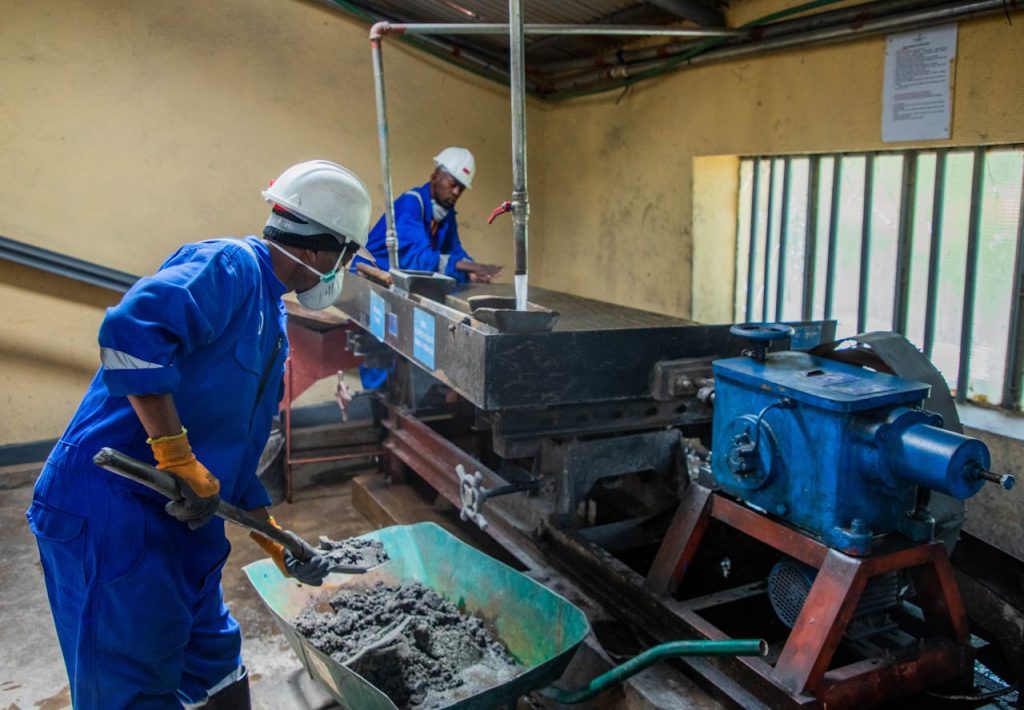
While artisanal mining has historically contributed a large portion of Guinea Gold Exports, 2026 marks a decisive shift toward industrial-scale mining. The government is prioritizing semi-industrial and industrial licenses to ensure better transparency, environmental compliance, and higher recovery rates.
Strategic Investment Opportunities in 2026
The Guinean gold sector offers diverse entry points, ranging from direct exploration to midstream services and technology.
Greenfields and Brownfields Exploration
For venture capital and junior mining companies, the primary opportunity lies in exploration. Many areas in Upper Guinea remain under-explored using modern geophysical techniques. Acquiring exploration permits in these high-potential zones offers significant upside upon a proven discovery.
Mining Services and Infrastructure
The expansion of the gold sector requires a robust support ecosystem. There is a high demand for:
- Contract Drilling and Assay Labs: Professional services that meet international JORC or NI 43-101 standards.
- Cyanide Management and Processing Technology: Modern, eco-friendly processing units that eliminate mercury use are highly favored by regulators.
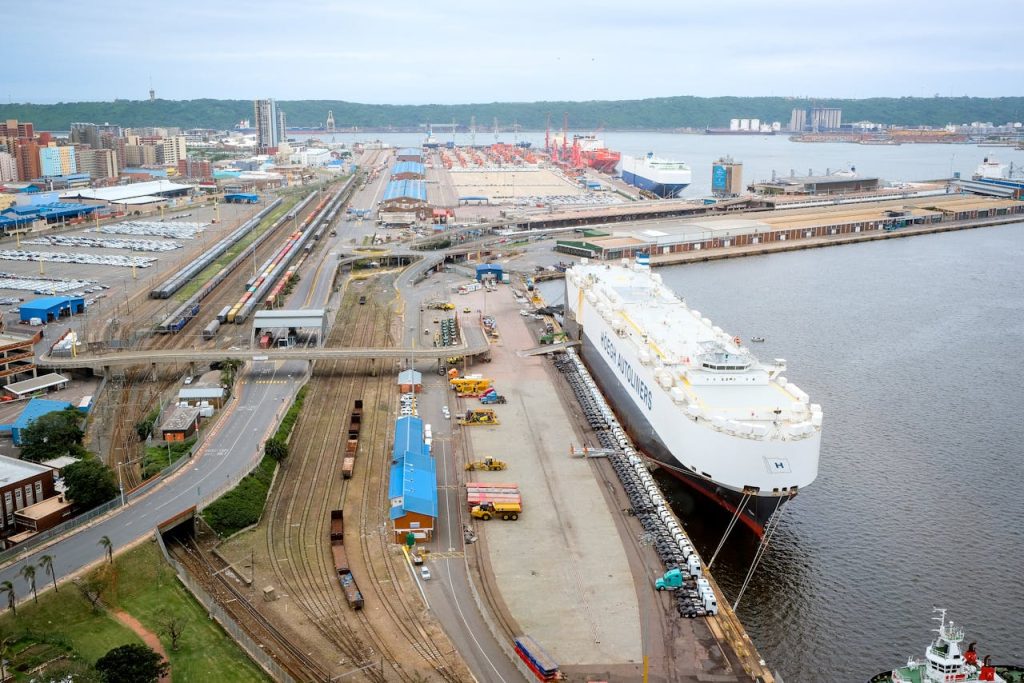
- Logistics and Security: Specialized transport services for moving gold dore from remote mine sites to international airports for export.
Sustainable Artisanal Gold Integration
Investors can also participate in formalizing the artisanal sector. By providing small-holder miners with better equipment and formal off-take agreements, investors can secure a steady supply of gold while fulfilling ESG (Environmental, Social, and Governance) requirements.
Navigating the Regulatory and Export Framework
Success in Guinea Gold Exports is contingent on a strict adherence to local and international laws.
- The Mining Code: Guinea’s mining code provides a clear framework for royalties (typically around 5% for gold) and corporate social responsibility (CSR) obligations.
- Export Procedures: All gold exports must be cleared through the Central Bank of Guinea and the Ministry of Mines. Ensuring that all “Taxe d’Exportation” (Export Tax) is paid and that Kimberley-style certifications are in place is vital for international compliance.
- OHADA Legal Security: As part of the OHADA framework, Guinea offers standardized commercial laws that protect investor rights and facilitate international arbitration in the event of disputes.
Investment Strategies for 2026: Mitigating Risk
To maximize ROI in the Guinean gold sector, investors should adopt a multi-layered risk mitigation strategy.
1. Strategic Site Selection
Proximity to existing infrastructure is key. Projects located near established mining hubs like Siguiri benefit from existing supply chains and labor pools.
2. Rigorous Due Diligence
Before acquiring permits or entering partnerships, conduct thorough title searches and environmental audits. Working with a local partner like Yes! Invest Guinea ensures that all “Titre Minier” (Mining Titles) are valid and free of encumbrances.
3. Community Engagement
In 2026, a “Social License to Operate” is as important as a legal one. Successful projects involve local communities through employment and social infrastructure projects, which minimizes operational disruptions and builds long-term goodwill.
FAQ: Guinea Gold Exports
- Is gold mining in Guinea safe for foreign investors?
Yes. Guinea has a long history of international mining partnerships. The legal framework is protected by OHADA laws and bilateral investment treaties that ensure capital and profit repatriation.
- What are the taxes associated with gold exports?
Gold exports are subject to a standard royalty and a specific export tax. However, the 2026 Investment Code offers tax holidays for companies that invest in localized refining and value addition.
- Can I set up a gold refinery in Guinea?
The government highly encourages “in-country” refining to move up the value chain. Investors in refining infrastructure enjoy significant customs duty exemptions on imported machinery.
- How is artisanal gold handled in the export process?
Artisanal gold must be sold through authorized “Comptoirs d’Achat” (Buying Houses) which ensure the gold is ethically sourced and properly taxed before being cleared for export.
- How can Yes! Invest Guinea assist gold investors?
We provide end-to-end support, including permit acquisition, regulatory liaison with the Ministry of Mines, local partner vetting, and advice on the most efficient export logistics.
Conclusion: Capitalizing on the Golden Frontier
The Republic of Guinea stands at a crossroads of immense geological wealth and economic reform. Guinea Gold Exports: Market Analysis and Investment Strategies highlight a sector that is ripe for institutional and private capital. By combining high-grade deposits with modern ESG-compliant mining practices, investors can secure a stable and profitable position in one of the world’s most promising gold provinces.
The gold is there; the framework is ready. In 2026, the strategic advantage belongs to those who act with speed and local intelligence.
Secure Your Investment with Yes! Invest Guinea
At Yes! Invest Guinea, we are your strategic gateway to the Guinean mining sector. From exploration to export, our team provides the institutional access and market expertise you need to turn geological potential into financial success.
Contact Yes! Invest Guinea today to receive our 2026 Gold Sector Market Report.