The agricultural landscape of West Africa is witnessing a significant shift as nations strive for food self-sufficiency and nutritional security. In the Republic of Guinea, the livestock sector is emerging as a cornerstone of economic diversification. Specifically, Dairy Production Guinea represents a high-potential, yet largely untapped, frontier for international investors. With vast pastoral lands, a favorable climate for specialized cattle breeds, and a rapidly growing domestic demand for fresh milk and processed dairy products, Guinea is positioned to become a regional hub for dairy excellence.
In 2026, the intersection of rising urban populations and a growing middle class has created a “dairy gap” that current local production cannot fill. This article provides a comprehensive analysis of the growth potential in Guinea’s dairy sector, the strategic advantages for investors, and the roadmap for building a sustainable dairy value chain.
The Untapped Potential of the Guinean Livestock Sector
Guinea possesses the natural foundations required to build a world-class dairy industry. Despite these assets, the country currently relies heavily on imported milk powder, representing a massive opportunity for import substitution.
1. Abundant Natural Resources
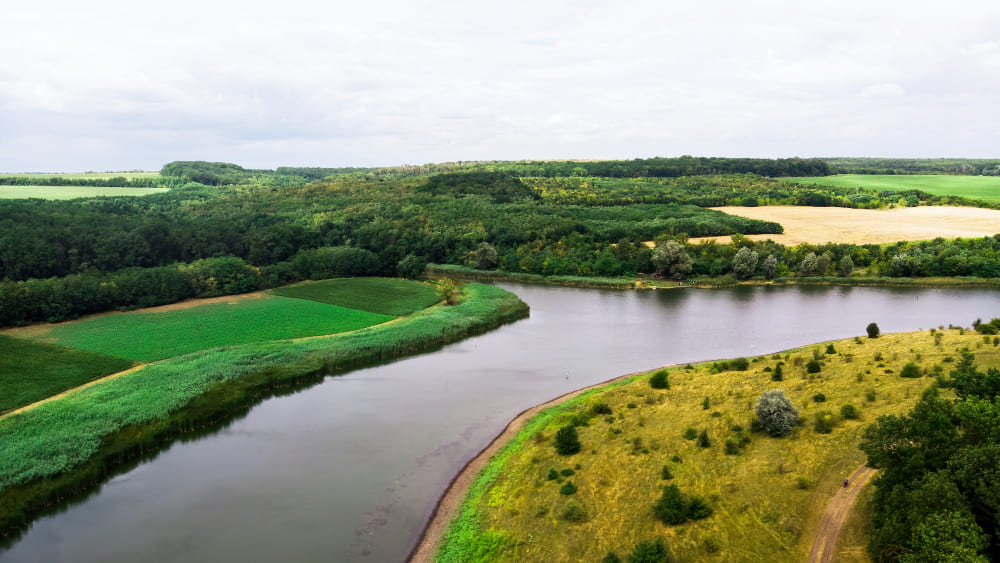
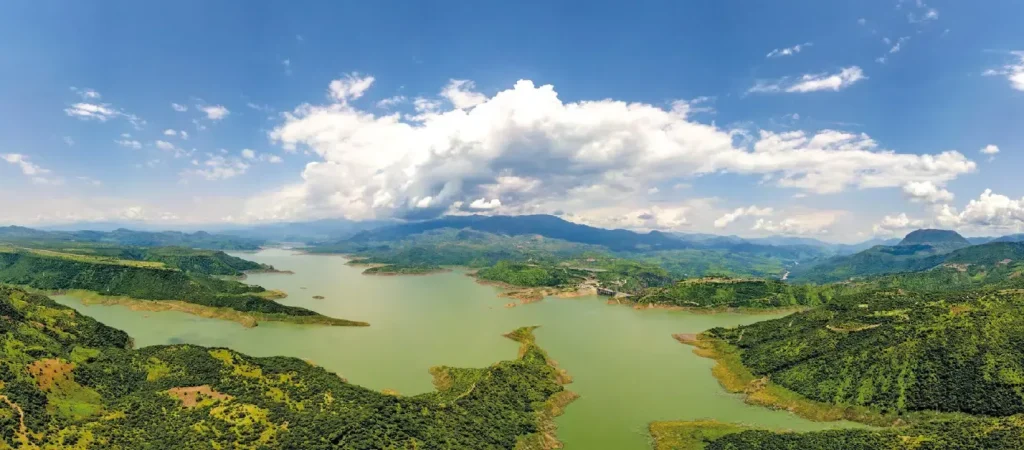
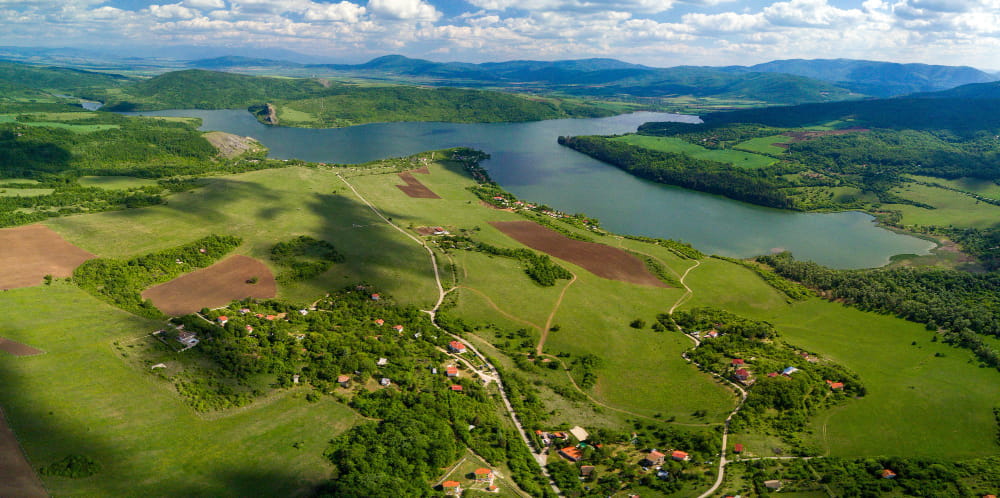
Guinea is often called the “Water Tower of Africa,” a title that directly benefits the livestock sector. High annual rainfall ensures the growth of nutritious fodder and constant access to water for cattle. The diverse topography from the lush coastal plains to the temperate highlands of Fouta Djallon—allows for the cultivation of various forage crops and the rearing of diverse cattle breeds.
2. High Demand for Fresh Dairy Products
There is a profound market shift in Conakry and other major cities like Kamsar and Labé. Consumers are increasingly seeking fresh, locally produced milk, yogurt, and cheese over reconstituted powdered alternatives. According to the Food and Agriculture Organization (FAO), improving local dairy value chains is essential for enhancing rural livelihoods and national nutrition in West Africa.
Strategic Opportunities for Investors in 2026
The Guinean dairy sector offers multiple entry points for capital, from upstream farm management to downstream processing and distribution.
Modernizing Dairy Farming Operations
Most dairy production in Guinea is currently artisanal. There is a critical need for modern, semi-intensive, and intensive dairy farms that utilize:
- Improved Genetics: Introducing or cross-breeding local N’Dama cattle with high-yield dairy breeds like Holstein or Jersey to increase milk output per cow.
- Precision Nutrition: Implementing scientific feeding programs using locally sourced agricultural by-products (such as rice bran and cotton cake).
- Animal Health Services: Investing in veterinary clinics and vaccination programs to ensure herd longevity and milk quality.
Value-Added Processing and Cold Chain Logistics
The biggest bottleneck in Dairy Production Guinea is the lack of processing and cooling infrastructure.
- Milk Collection Centers: Establishing solar-powered cooling hubs in rural areas to collect milk from smallholder farmers.
- Processing Facilities: Building plants for the production of UHT milk, pasteurized fresh milk, yogurt, and traditional Guinean cheeses.
- Cold Chain Distribution: Developing refrigerated transport networks to deliver fresh products to urban supermarkets and hospitality sectors.
Why Invest in Guinea’s Dairy Sector Now?
The Guinean government and international partners have aligned to create a supportive ecosystem for agribusiness investors.
Government Incentives and Reforms
Under the latest National Agricultural Development Plan, the livestock sector enjoys several fiscal benefits:
- Customs Duty Exemptions: Zero duties on imported dairy processing machinery, specialized farm equipment, and high-yield genetic material.
- Land Access: Facilitated long-term leases for commercial dairy farming in designated agricultural zones.
- Institutional Support: Access to technical assistance from the Ministry of Agriculture and Livestock and international development partners.
Regional Export Potential
As a member of the Economic Community of West African States (ECOWAS), Guinea has duty-free access to a market of over 400 million people. A successful dairy operation in Guinea can easily scale to export premium products to neighboring markets like Sierra Leone, Liberia, and Mali.
Overcoming Challenges through Innovation
While the potential is high, investors must address specific regional challenges with innovative solutions.
Feed Security and Climate Resilience
The seasonality of rainfall can affect grazing. Successful investors are adopting “silage and hay” programs to ensure a consistent feed supply during the dry season. Additionally, integrating solar energy into farm operations reduces reliance on the national grid and lowers operational costs.
Formalizing the Value Chain
Collaborating with local pastoralist communities through “Outgrower Schemes” is a proven model. By providing smallholders with technical training and a guaranteed market, investors ensure a steady supply of raw milk while fulfilling Environmental, Social, and Governance (ESG) goals.
FAQ: Dairy Production Guinea
- What are the best regions for dairy farming in Guinea?
The Fouta Djallon highlands (Labé and Mamou) are historically and climatically the most suitable for dairy, though the coastal regions are excellent for processing hubs due to their proximity to major markets.
- Can I import high-yield dairy cows into Guinea?
Yes, the government encourages the importation of specialized breeds, provided they meet veterinary health standards. Cross-breeding programs are often recommended for better climate adaptation.
- What is the current state of milk processing in the country?
The sector is currently dominated by small-scale artisanal producers. There is a massive “first-mover” advantage for the first few large-scale industrial processors in the country.
- Is there support for solar-powered dairy infrastructure?
Yes, renewable energy integration in agriculture is a high priority for the government and often qualifies for additional green financing and tax incentives.
- How can Yes! Invest Guinea assist dairy investors?
We provide end-to-end support, including site selection, regulatory compliance, navigating the investment code, and connecting you with local agricultural cooperatives and technical partners.
Conclusion: Cultivating Success in the “Water Tower of Africa”
The convergence of natural abundance and soaring demand makes Dairy Production in Guinea: Livestock Sector Growth Potential one of the most compelling agribusiness stories of 2026. By bridging the gap between traditional pastoralism and modern industrial processing, investors can secure high returns while contributing to the food sovereignty of a nation.
Guinea is ready for a dairy revolution. The land is fertile, the market is hungry, and the regulatory doors are open. The question is: will you be the one to lead this sustainable growth?
Partner with Yes! Invest Guinea
At Yes! Invest Guinea, we are committed to turning your agribusiness vision into a reality. From land due diligence to institutional liaison, our team is your strategic partner on the ground.
Contact Yes! Invest Guinea today to receive our 2026 Livestock and Dairy Investment Briefing