The global steel industry is standing on the precipice of a “Green Steel” revolution, and at the epicenter of this transformation lies the Republic of Guinea. The Simandou Project Guinea is not merely a mining venture; it is the largest untapped high-grade iron ore deposit in the world. As we move through 2026, the project has transitioned from a decade-long ambition into a concrete industrial reality that is reshaping global trade routes and investment portfolios.
For institutional investors, sovereign wealth funds, and infrastructure specialists, Simandou represents a generational asset. With an iron content consistently exceeding 65%, the ore from this mountain range in Southeast Guinea is the “Gold Standard” for low-carbon steel production. This article explores the strategic importance, the 2026 progress, and the multi-sector investment opportunities surrounding this monumental project.
The Strategic Importance of Simandou’s High-Grade Ore
In a world increasingly focused on Environmental, Social, and Governance (ESG) criteria, the quality of raw materials has become a critical competitive advantage. The Simandou Project Guinea holds over 2 billion tonnes of iron ore reserves.
Why High-Grade Ore Matters for “Green Steel”
To reduce carbon emissions in steelmaking, manufacturers are shifting from traditional blast furnaces to Direct Reduced Iron (DRI) technology. DRI processes require high-grade iron ore with minimal impurities. Simandou’s ore meets these requirements perfectly, allowing steelmakers to significantly reduce their coal consumption and CO2 output. According to reports from the International Energy Agency (IEA), high-grade iron ore is the single most important lever for decarbonizing the heavy industry sector.
A New Global Supply Pillar
Currently, the global iron ore market is heavily reliant on Australia and Brazil. Simandou introduces a third major pillar, providing much-needed supply chain diversification. By 2026, the geopolitical and economic leverage of Guinea has soared, as it now holds the key to the future of the global construction and automotive supply chains.
The Trans-Guinean Infrastructure: The 2026 Update
The true genius of the Simandou development lies in its integrated infrastructure. To unlock the ore, a massive logistical backbone was required, commonly referred to as the “Compagnie du Trans-Guinéen” (CTG).
1. The 650km Multi-User Railway
The railway connecting the Simandou mountains to the coast is a feat of modern engineering. In 2026, the “Trans-Guinéen” is operational as a multi-user corridor. This means it doesn’t just transport iron ore; it provides a transport spine for agricultural goods, passengers, and other minerals, effectively opening up the Guinean interior for holistic economic development.
2. The Morebaya Deep-Water Port
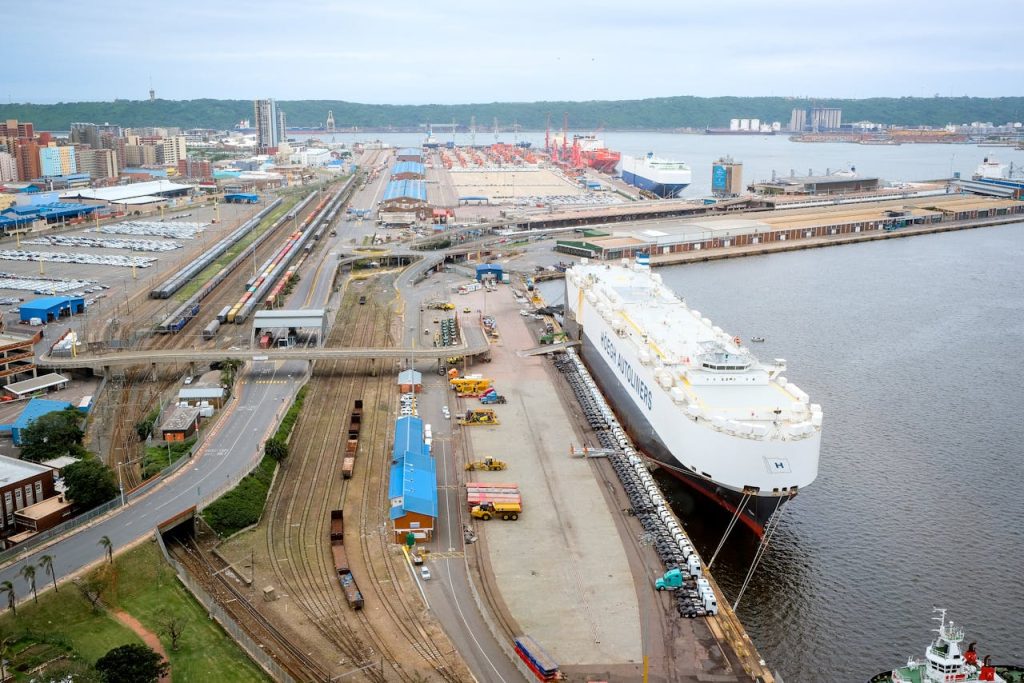
To export the projected 100 million tonnes of ore annually, the Morebaya port has been developed into a world-class maritime hub. Designed to accommodate Capesize vessels, the port ensures that Simandou Project Guinea exports can reach Asian and European markets with maximum cost-efficiency.
Investment Opportunities Beyond the Mine
While the extraction of iron ore is handled by major consortia like Rio Tinto and the Winning Consortium Simandou (WCS), the “Simandou Effect” has created a ripple of secondary investment opportunities.
Infrastructure and Logistics Facilitation
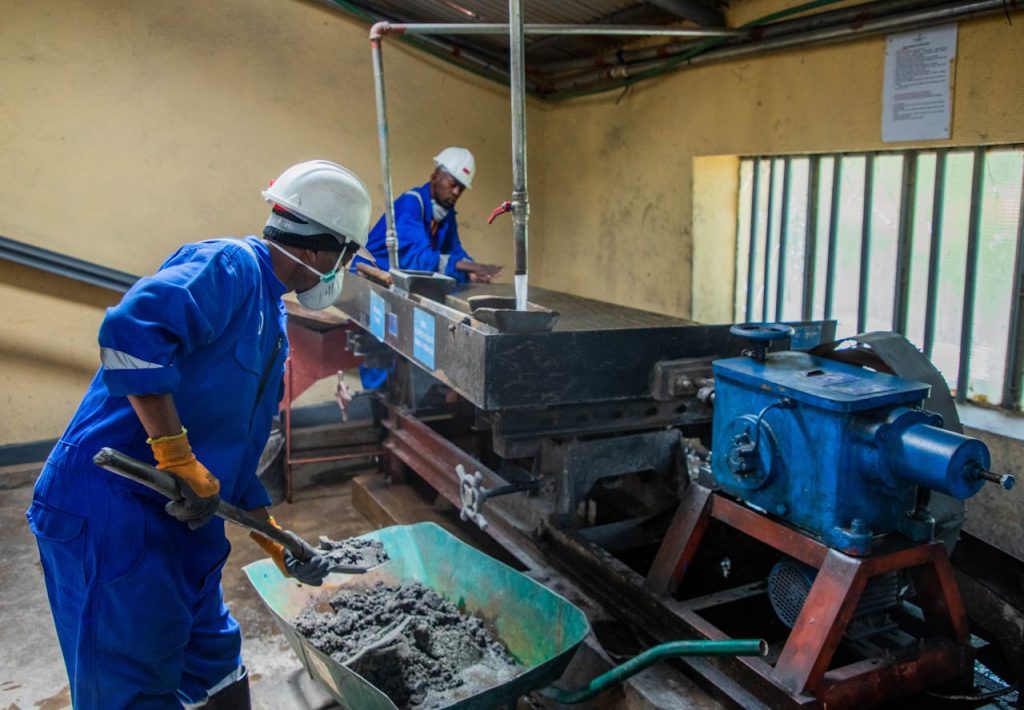
The scale of operations requires a massive ecosystem of support services. From specialized maintenance for heavy-haul locomotives to the management of “Smart Port” digital systems, the demand for high-tech logistics partners is at an all-time high. Investors can find lucrative entries in:
- Warehousing and Cold Chain: To support the logistics hubs along the railway.
- Telecommunications: Providing 5G connectivity for autonomous mining equipment and remote monitoring.
Energy and Sustainability
Powering a project of this magnitude requires a stable and green energy mix. The 2026 push for Renewable Energy Guinea solutions has seen the integration of solar PV arrays and hydroelectric power into the Simandou grid. This ensures that the ore is not only “Green” in its chemical composition but also in its extraction process.
Real Estate and Urban Development
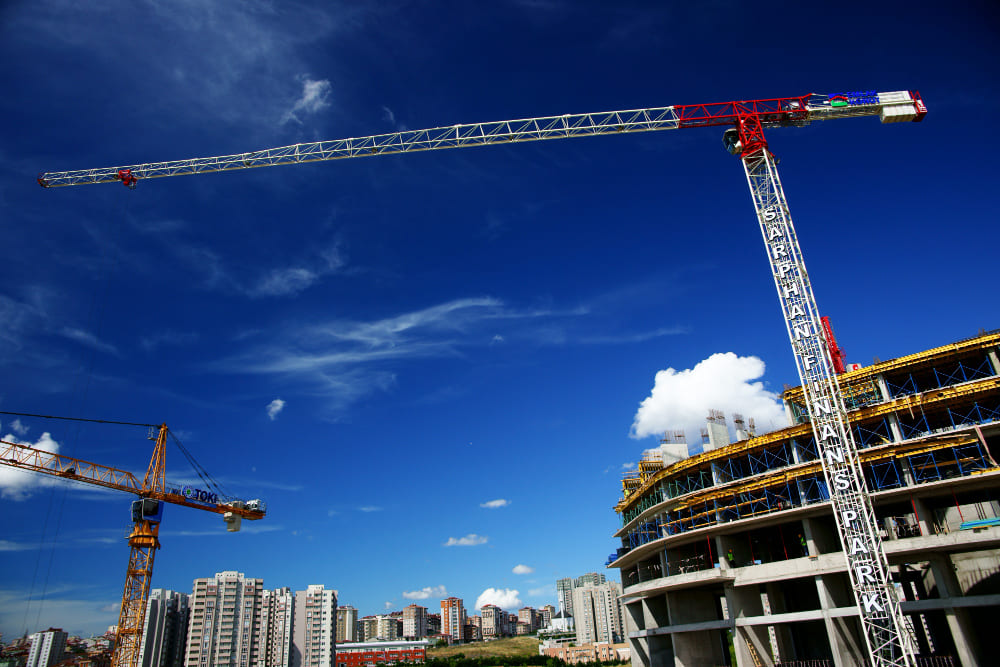
The “Simandou corridor” is seeing the birth of new industrial towns. There is a critical need for high-end residential housing, office spaces, and vocational training centers to house and train the thousands of professionals working on the project. This is a primary driver for Luxury Real Estate Conakry and regional developments.
The Regulatory Framework and ESG Standards
The Guinean government has ensured that Simandou serves as a model for modern African mining. The Extractive Industries Transparency Initiative (EITI) standards are strictly applied to ensure that revenue flows are transparent and contribute to national development.
Local Content and Employment
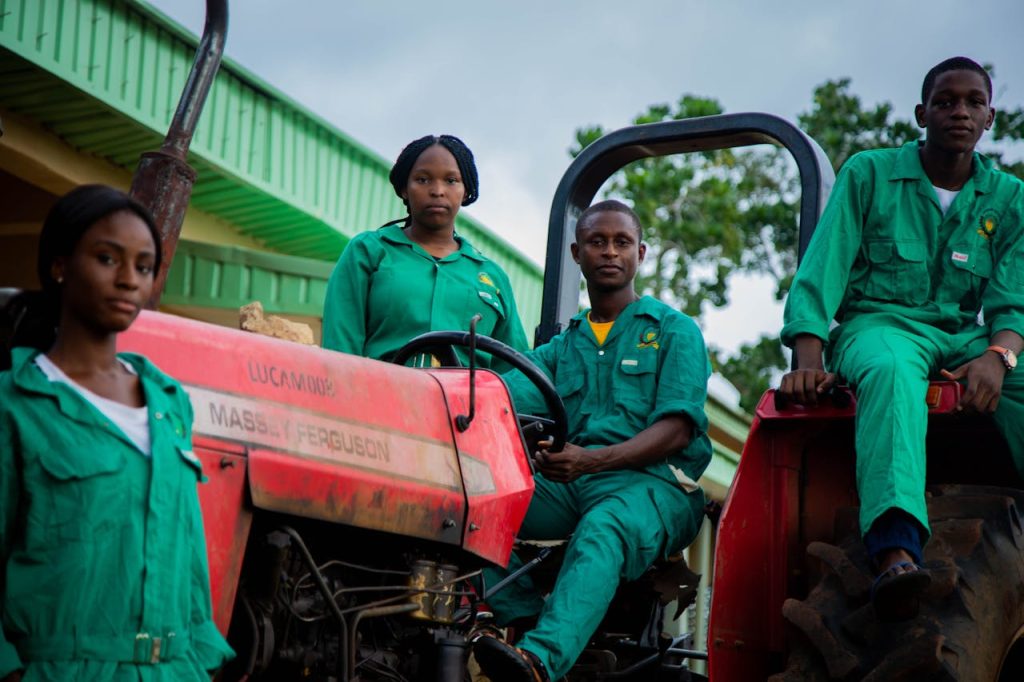
The 2026 local content laws mandate that a significant percentage of the workforce and supply chain must be Guinean. For international firms, this means partnering with local entities is a strategic necessity. Yes! Invest Guinea acts as the primary bridge, helping foreign investors identify the right local partners to fulfill these regulatory requirements.
Environmental Stewardship
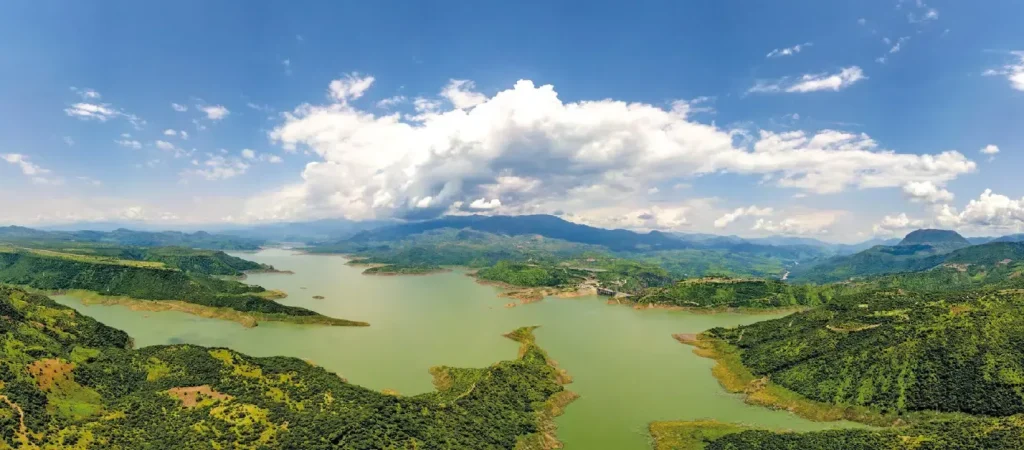
Given the biodiversity of the Simandou mountain range, environmental protections are rigorous. The project operates under the highest international standards for habitat restoration and water management, ensuring that the development of the mine does not come at the cost of Guinea’s natural heritage.
FAQ: Simandou Project Guinea
- Who are the main developers of the Simandou project?
The project is divided into four blocks. Blocks 1 & 2 are managed by the Winning Consortium Simandou (WCS), while Blocks 3 & 4 are developed by Rio Tinto Simfer, in partnership with the Guinean state and a consortium of Chinese steelmakers.
- When did the first exports of iron ore begin?
Following the completion of the railway and port infrastructure, the first commercial shipments were successfully launched in 2025, with production scaling significantly throughout 2026.
- What is the expected lifespan of the Simandou mine?
Based on current proven reserves, the mine is expected to be productive for at least 40 to 60 years, providing a long-term stable asset for the Guinean economy and global steel markets.
- How does Simandou impact the local Guinean economy?
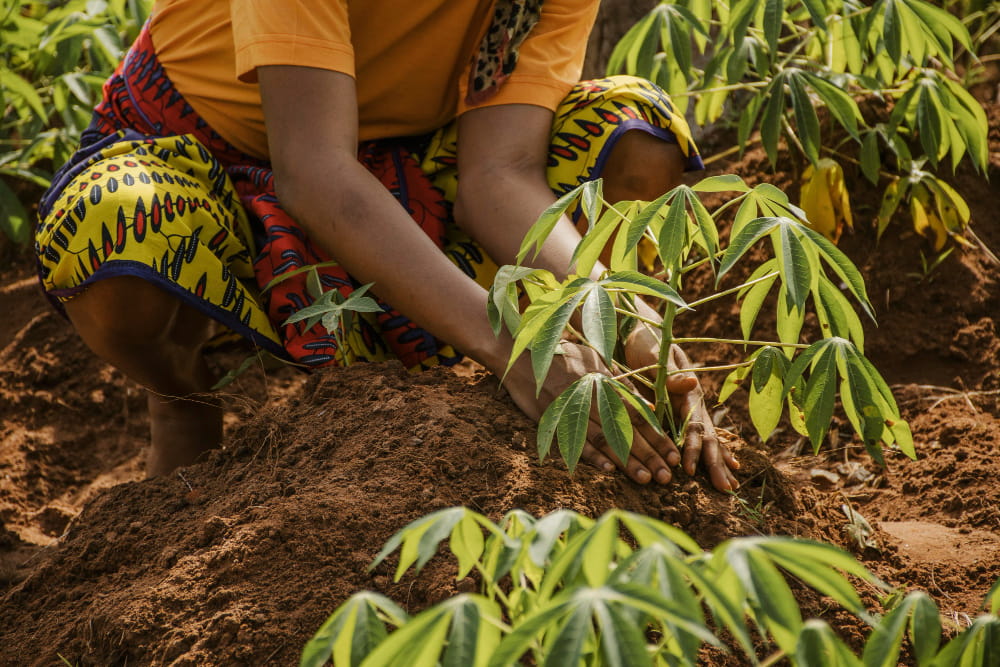
Beyond direct tax revenue, the project has created over 40,000 direct and indirect jobs and provided the “multi-user” infrastructure that allows other sectors like agriculture and manufacturing to thrive in the interior regions.
- Can smaller investors participate in the Simandou ecosystem?
Yes. While the mining itself is large-scale, the service industry ranging from catering and medical services to specialized technical maintenance and logistics is open to small and medium-sized international enterprises.
Conclusion: Securing Your Stake in Africa’s Iron Giant
The Simandou Project Guinea is the defining industrial landmark of the 21st century in Africa. It represents the perfect alignment of mineral wealth, infrastructure vision, and the global demand for green industrialization. By 2026, the project is no longer a “potential” opportunity; it is an active, high-performing asset that is lifting the entire Guinean economy.
For the strategic investor, the question is no longer whether to invest in Guinea, but how to best position your capital within the Simandou value chain. The infrastructure is in place, the ore is flowing, and the world is watching.
Your Strategic Partner in Guinea
Navigating the scale and complexity of the Simandou ecosystem requires local intelligence and high-level institutional liaison. At Yes! Invest Guinea, we specialize in connecting international capital with the most lucrative segments of the Simandou supply chain. From logistics to energy and real estate, we ensure your investment is positioned for long-term growth.
Contact Yes! Invest Guinea today for a bespoke briefing on Simandou Project supply chain opportunities.