The global mining landscape is undergoing a seismic shift, and at the epicenter of this transformation is the Republic of Guinea. For decades, the narrative of the global steel industry was written in the pits of Australia and Brazil. However, as we move through 2026, a new titan has emerged. The focus on Iron Ore Guinea is no longer just a speculative buzzword; it is a multi-billion dollar reality that is redefining supply chains and offering unprecedented opportunities for institutional and private investors.
At the heart of this movement lies the Simandou megaproject—the world’s largest untapped reserve of high-grade iron ore. For an SEO copywriter or an investor looking at Yes! Invest Guinea, understanding the intersection of geology, infrastructure, and geopolitics is key to grasping the potential returns this region offers.
The Strategic Importance of Iron Ore Guinea in 2026
To understand why Iron Ore Guinea is the most talked-about commodity in the world right now, one must look at the quality of the ore itself. Unlike lower-grade deposits found elsewhere, Guinea’s reserves boast an iron content often exceeding 65%.
The Shift Toward Green Steel
The global push for “Green Steel” has made high-grade iron ore a premium asset. Lower-grade ore requires more coal and energy to process, leading to higher carbon emissions. In contrast, the high-purity ore from Simandou allows for more efficient smelting processes, such as Direct Reduced Iron (DRI) technology.
According to reports from the International Energy Agency (IEA), the steel industry must significantly reduce its carbon footprint to meet 2030 targets. This makes Guinean ore not just a commodity, but a strategic necessity for steelmakers in Europe and Asia who are facing tightening environmental regulations.
Breaking the Duopoly
For years, the market was dominated by a handful of players in the Pilbara region of Australia and the Carajás mine in Brazil. The operationalization of Guinean mines provides a critical alternative, enhancing global supply chain resilience. For investors, this diversification means a more balanced market and new avenues for capital growth outside of traditional mining jurisdictions.
The Simandou Megaproject: A Deep Dive into the “World’s Largest”
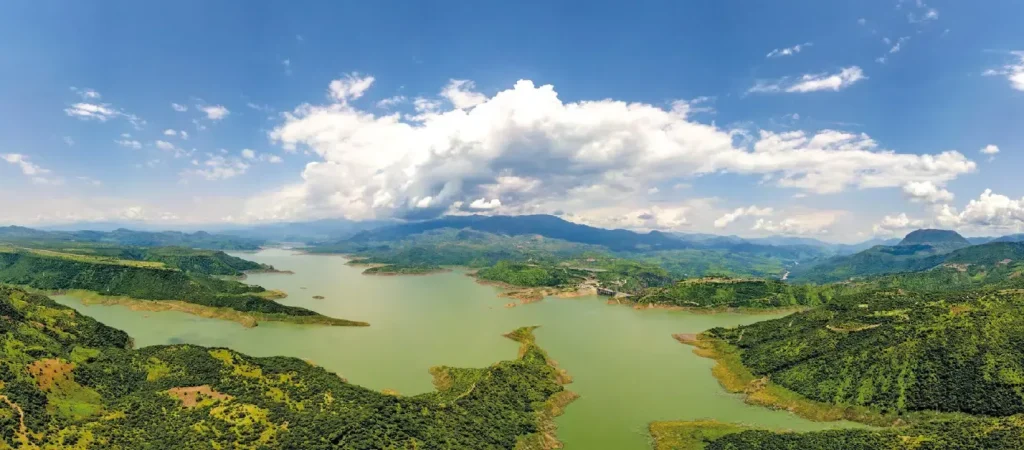
The Simandou project is often described as the “Holy Grail” of mining. Located in the remote southeastern mountains of Guinea, the project is divided into four blocks.
Ownership and Partnership Structure
The development of Simandou is a masterclass in complex international cooperation. The blocks are managed by two primary entities:
- Blocks 1 & 2: Developed by the Winning Consortium Simandou (WCS), which includes Singapore-based Winning International Group and Chinese aluminum giant Weiqiao.
- Blocks 3 & 4: Managed by Rio Tinto Simfer, a joint venture between the global mining giant Rio Tinto, Chinalco, and the Government of Guinea.
This partnership ensures that the project has the financial backing of the world’s largest commodity consumers (China) and the operational expertise of established Western mining houses.
The Scale of Production
By the end of 2026, Simandou is projected to ramp up its production capacity significantly. Estimates from Reuters Commodities Analysis suggest that once fully operational, the site will export over 100 million tonnes of iron ore annually. To put that into perspective, that is enough to significantly influence global price indices.
Infrastructure: The Key to Unlocking Value
The greatest challenge to Iron Ore Guinea has never been the ore itself, but the logistics of getting it to market. Simandou is located hundreds of kilometers from the coast, separated by rugged terrain.
The Compagnie du TransGuinéen (CTG)
To solve this, the stakeholders formed the CTG—a joint venture dedicated to building a massive infrastructure corridor. This includes:
- The 650km Railway: A heavy-haul rail line designed to transport ore from the inland mountains to the Atlantic coast.
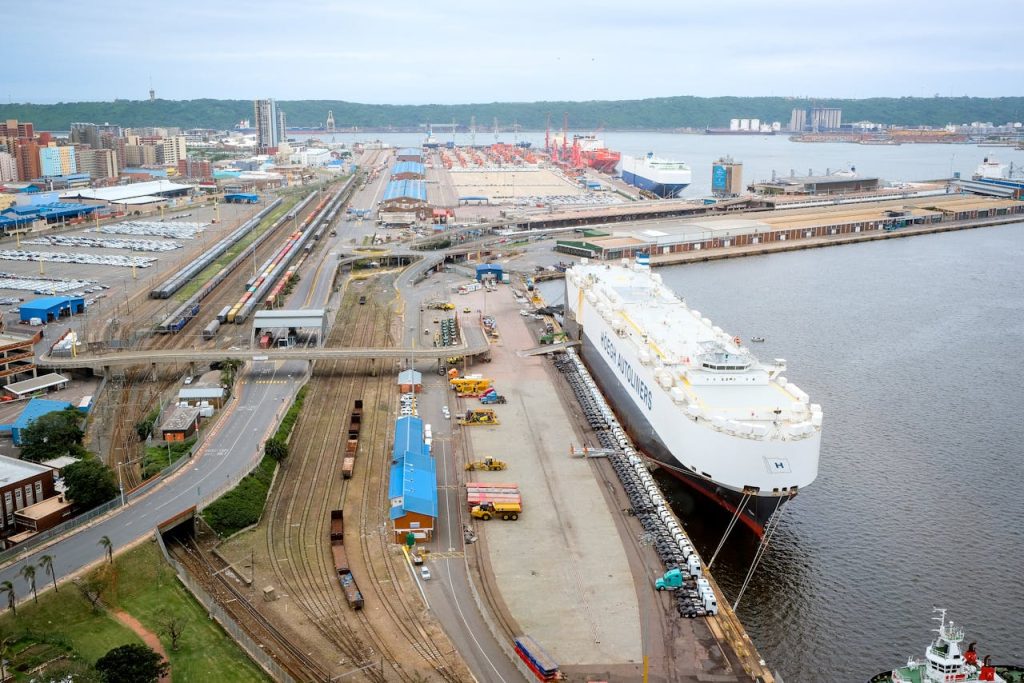
- Deep-water Port at Matakong: A state-of-the-art facility capable of handling massive Capesize vessels.
The Multi-Use Philosophy
What makes this infrastructure particularly interesting for investors is its “multi-use” nature. The Guinean government has mandated that the railway and port must also support other economic activities, such as agriculture and passenger transport. This creates a “growth corridor” that stabilizes the region and increases the overall socio-economic return on investment (ROI).
Calculating Investor Returns: Why Now?
Investing in Iron Ore Guinea is a long-term play, but 2026 represents a unique “sweet spot” in the investment cycle.
1. Capital Appreciation in a De-risked Environment
The early stages of Simandou were fraught with legal and political hurdles. However, with the infrastructure largely completed and the first shipments already in progress, the “execution risk” has plummeted. Investors entering the market now are buying into a proven operational model rather than a speculative plan.
2. High Dividend Yields from Tier-1 Miners
Companies like Rio Tinto have historically provided strong dividends. As Simandou contributes more to their bottom line with high-margin, low-impurity ore, these companies are well-positioned to return value to shareholders.
3. The “Guinea Premium”
As Guinea establishes itself as a stable mining hub, the “country risk premium” is expected to decrease. This often leads to a re-rating of assets within the country, providing an additional layer of return for early-movers in the Guinean equity and bond markets.
Environmental and Social Governance (ESG) in Guinea
In 2026, no mining project can succeed without a robust ESG framework. The Simandou project is under a global microscope regarding its impact on biodiversity and local communities.
Biodiversity Protection
The Simandou mountain range is a sensitive ecological zone. The developers have partnered with organizations like the World Bank’s International Finance Corporation (IFC) to implement rigorous environmental safeguards, including the protection of West African chimpanzee populations.
Social Impact and Local Content
A significant portion of the project’s value is being reinvested into local communities. This includes:
- Employment of thousands of Guinean nationals.
- Investment in local supply chains (SMEs).
- Educational and healthcare initiatives in the Kankan and Nzérékoré regions.
For the modern investor, these ESG commitments are essential. They ensure that the project remains sustainable and free from the social unrest that can plague mining operations in emerging markets.
The Role of Yes Invest Guinea
Navigating the Guinean market requires more than just capital; it requires local intelligence and a network of trusted partners. Yes! Invest Guinea serves as the bridge between international investors and the vast opportunities within the iron ore sector.
Whether you are looking for direct equity stakes, infrastructure bonds, or secondary service opportunities, we provide the localized expertise needed to turn Guinean potential into profitable reality.
Frequently Asked Questions (FAQ)
1. Why is Simandou called a “megaproject”?
Simandou is considered a megaproject because it involves over $20 billion in investment, the construction of a 650km railway, and a deep-water port, all to tap into the world’s largest high-grade iron ore reserve.
2. How does the quality of Guinean iron ore compare to Australian ore?
Guinean ore, particularly from Simandou, typically has an iron content of 65% or higher. This is superior to many standard Australian ores, which often hover around 58-62%, making Guinea’s ore more efficient for low-carbon steelmaking.
3. Is it safe to invest in Guinea’s mining sector?
While emerging markets carry inherent risks, the involvement of global giants like Rio Tinto and massive Chinese state-owned enterprises, backed by international legal frameworks, has significantly de-risked the sector in recent years.
4. What is the “Trans-Guinean Railway”?
It is a massive rail corridor built to connect the inland Simandou mines to the coast. It is a critical piece of infrastructure that allows for the cost-effective export of millions of tonnes of iron ore.
5. When will Simandou reach full production?
While initial shipments have begun, the project is expected to reach its full production capacity of over 100 million tonnes per year by 2028-2030.
Conclusion: Seizing the Momentum in Guinea’s Mining Revolution
The transformation of the Iron Ore Guinea landscape from a latent resource into a global powerhouse is one of the most significant economic events of 2026. The Simandou megaproject represents more than just a mining venture; it is the cornerstone of a new global supply chain that prioritizes high-grade efficiency and environmental responsibility. By bridging the gap between the remote mountain reserves and international markets through the Trans-Guinean Railway, Guinea has effectively dismantled the logistical barriers that once held its economy back.
For investors, the window of opportunity is shifting from high-risk speculation to a period of stabilized, high-value growth. The integration of world-class infrastructure, the global demand for “Green Steel,” and a robust ESG framework makes Guinea a standout destination for capital in a volatile global market. As the first shipments of Simandou ore reach the shores of major industrial hubs, the narrative is clear: Guinea is no longer the “frontier” it is the new center of the iron ore industry.
The path to substantial investor returns in West Africa requires a blend of timing, high-quality assets, and the right local partnerships. With the project now in its operational ramp-up phase, the foundation is laid for a decade of unprecedented growth.
Contact Yes! Invest Guinea today for a comprehensive investment consultation.